You know, in this ever-changing world of navigation tech, there’s really a huge buzz around Optical Fiber Gyroscopes, or OFGs for short. They’re becoming super popular across big sectors like aerospace, automotive, and even robotics. Actually, industry reports are saying that the fiber optic gyroscope market is likely to balloon to about $2.8 billion by 2026! And you can bet that advancements in things like inertial navigation systems and self-driving cars are driving this growth.
Here at Poseidon International Group (Hong Kong) Limited, which kicked off back in 2013, we focus on making our own Optical Fiber Gyroscopes and some pretty cool systems too. We’re proud of our innovative spirit — we’ve snagged a bunch of technical patents, which really puts us in a prime spot in this vital industry. As businesses look to up their game in accuracy and performance for navigation, it’s super important to find the right supplier for Optical Fiber Gyroscopes. It’s all about gaining that competitive edge and keeping operations running smoothly.
Identifying Key Features to Look for in Optical Fiber Gyroscope Suppliers
So, when you’re on the hunt for the perfect supplier for optical fiber gyroscopes, there are a few key things you really need to keep in mind. First off, the supplier’s tech know-how is super important. You want a supplier that’s got some solid R&D chops because they’re usually the ones rolling out the latest and greatest products that can handle changing needs. It’s a good idea to check if they have a track record of innovation in their gyroscope designs. This way, you’ll be sure you’re investing in reliable, high-quality tech.
Another aspect that you can't overlook is their customer support and service. A solid supplier should offer thorough technical support, training, and help after you buy something. That way, you can seamlessly fit the gyroscopes into your systems and tackle any hiccups that pop up. It’s also worth asking about their warranty and service agreements, as these can really show how committed they are to making their customers happy. By paying attention to these key features, you’ll be better equipped to make a choice that really fits your needs in the fast-changing world of optical fiber gyroscopes.
Evaluating Supplier Reputation and Experience in the Industry
So, when you’re on the hunt for the best optical fiber gyroscope (OFG), you really can’t overlook the reputation of your suppliers and their experience in the field. I came across this report from MarketsandMarkets that mentions the global optical fiber gyroscope market is set to hit about $4.14 billion by 2025, which is pretty impressive with a compound annual growth rate (CAGR) of 10.5%. It just shows how fast things are changing and highlights the importance of working with reliable suppliers who can keep up with both the tech advancements and what customers are asking for.
You know, a solid reputation in the industry usually goes hand-in-hand with high-quality products and happy customers. Suppliers that have been around for a while and have a good track record in making OFGs are more likely to stick to those tough performance standards and actually deliver on time. There’s some interesting research from the International Society of Optical Engineering that shows these established companies often put a lot into research and development, which really pays off in terms of innovation and reliability. It’s kind of reassuring to think that suppliers who’ve been in the game for over ten years generally handle demand shifts better and can share valuable insights from their extensive experience. So, it really pays to engage with suppliers who not only get the current market but also have a sense of where things are headed in the future. It can seriously boost the quality of your buying decisions!
Understanding Pricing Models and Value for Money in Gyroscope Procurement
So, when it comes to buying optical fiber gyroscopes, really getting a handle on the pricing models is super important if you want to get your money's worth. The global market for these gyroscopes is expected to blow up, hitting around $1.5 billion by 2025, according to a report from MarketsandMarkets. This kind of growth means businesses have to be extra careful when looking at the pricing strategies that suppliers offer. You’ve got a few common models to consider: there’s cost-plus pricing, competitive pricing, and value-based pricing, each of which has its own implications for how you strategize your procurement.

For example, with cost-plus pricing, suppliers charge based on their production costs plus a little extra for profit. While this approach can be pretty straightforward, it doesn’t always give you the real picture of what gyroscopes are worth in the market, which can lead to paying way more than necessary. On the flip side, value-based pricing is more about the benefits these gyroscopes offer. It ties the price to performance and innovation, rather than just production costs. According to a study from Research and Markets, gyroscopes that come with improved operational capabilities can command higher price tags. This really shows the importance of looking at a supplier's long-term value, not just what you’re shelling out upfront. If you can navigate these different pricing models effectively, your organization can not only save some bucks but also make sure you’re picking the best supplier that fits your specific needs.
Assessing Technical Support and After-Sales Services Offered by Suppliers
Choosing a supplier for optical fiber gyroscopes? It’s super important to pay attention to the technical support and after-sales services they offer. You really want a supplier who can explain their technical abilities clearly and let you know what kind of troubleshooting help is available. Ideally, they should have knowledgeable engineers on hand who can help sort out any issues quickly—not to mention a solid support network ready to tackle questions of all sorts, from simple to complex stuff.
Tip 1: Keep an eye out for suppliers that provide thorough documentation and user manuals. Those detailed guides can be a lifesaver, making installation and use a breeze and keeping any downtime to a minimum. Plus, don't forget to check how well they communicate about warranties and how long their support services last—it’s key for planning ahead.
And let’s not forget about after-sales support! A trustworthy supplier should be quick to provide maintenance services and get you replacement parts when you need them. This helps you avoid any long delays in operations, which can definitely rack up costs.
Tip 2: When you’re evaluating suppliers, pay attention to how fast they respond and what their customer service ratings look like. Chatting with current customers can offer some real insight into how reliable their after-sales service is. Being proactive about understanding your support options can really help you build better partnerships and find more effective solutions down the line.
Strategies for Streamlining Supplier Communication and Negotiation
When it comes to sourcing the best optical fiber gyroscopes, you've got to remember that good communication and negotiation with your suppliers are absolutely key. I mean, let’s face it—if you’re not clear about what you need, things can get messy really fast. So, right off the bat, it helps to lay out a detailed outline of your expectations and requirements. That way, everyone’s on the same page from the get-go.
**Tip 1:** Oh, and don’t underestimate the power of visual aids! Diagrams, charts, and even product samples can really clear things up and make sure you and the supplier are aligned on all the nitty-gritty details.
Now, I know negotiating terms can sometimes feel like pulling teeth, but with a little strategy, you can end up with some pretty sweet agreements. Go in with an open mind and be ready to collaborate. Listen to what the supplier needs, and be willing to give a little when it makes sense. It’s all about building a partnership, not a battlefield.
**Tip 2:** And here’s a handy idea—make a list of possible concessions you could offer, like bumping up your order volumes or being flexible with payment terms. Having these bargaining chips in your back pocket can really help smoothen out those negotiations and make them way more productive.
Finding the Right Supplier for Best Optical Fiber Gyroscope with Effective Strategies
| Criteria |
Supplier A |
Supplier B |
Supplier C |
| Price per Unit |
$150 |
$145 |
$155 |
| Lead Time (days) |
30 |
25 |
35 |
| Quality Rating |
4.5/5 |
4.0/5 |
4.8/5 |
| After-Sales Support |
Excellent |
Good |
Excellent |
| Minimum Order Quantity |
50 |
100 |
75 |
Creating a Comprehensive Supplier Assessment Checklist for Optical Fiber Gyroscopes
When you're on the hunt for the best supplier for optical fiber gyroscopes, having a solid checklist to guide you is super important for making smart decisions. I came across a report from Markets and Markets that says the optical gyroscope market is projected to hit a whopping $4.3 billion by 2025, with a growth rate of around 5.4% each year. That kind of growth really highlights how crucial it is to find suppliers who not only offer top-notch products but also show that they’re reliable and innovative.
So, when you’re putting together your supplier assessment checklist, you definitely want to include a bunch of criteria. Think about things like quality assurance, tech capabilities, and the kind of after-sales support they provide. It’s a good idea to check if they comply with international standards like ISO 9001, since that can give you peace of mind about their quality management systems. And don’t forget to dig into their research and development efforts—it can give you a peek into how well they adapt to market shifts and new tech. Considering how vital suppliers are to the performance and reliability of optical fiber gyroscopes, taking the time for thorough assessments can really help businesses pinpoint partners that can boost their effectiveness and keep them ahead in this fast-paced market.
Driving Precision: Insights from Industry Reports on the GPS-Aided Sensor INS670 and its Closed-Loop Fiber Optic Technologies
The INS670, a high-precision integrated navigation system, represents a significant advancement in GPS-aided sensor technologies. By seamlessly combining fiber optic gyroscopes (FOG) and MEMS accelerometers with multi-system satellite navigation—encompassing GPS, BDS, GLONASS, and Galileo—this cutting-edge solution delivers unparalleled accuracy and reliability for a wide range of applications. Insights from industry reports emphasize that the closed-loop fiber optic technologies employed by the INS670 greatly enhance its overall performance, making it a desirable choice for sectors demanding precision, such as aerospace, marine navigation, and engineering surveying.
What sets the INS670 apart is its capability to provide real-time data on heading, attitude, speed, position, angular rate, and acceleration, ensuring robust navigation in even the most challenging environments. The system features a compact design and low power consumption, making it an efficient solution for various platforms, from unmanned aerial vehicles (UAVs) to marine vessels. Moreover, the flexibility to integrate with external sensors like odometers and USBL further broaden its applicability. With multi-mode navigation and centimeter-level positioning precision, the Poseidon INS670 stands as a versatile tool, ready to tackle the demands of modern navigation challenges across diverse fields.
FAQS
: Important features include the supplier's technological expertise, a strong R&D background, innovation history, and reliable customer support and service capabilities.
A supplier with strong technological expertise can provide cutting-edge products that adapt to evolving applications, ensuring high-quality and reliable technology.
Look for suppliers that offer comprehensive technical support, training, post-purchase assistance, and clear warranty policies and service agreements.
A strong reputation often correlates with product quality and customer satisfaction, indicating the supplier is likely to meet performance standards.
Suppliers with extensive experience, particularly those in the market for over a decade, are often more resilient to demand fluctuations and have valuable insights into market trends.
Significant investment in research and development typically leads to greater innovation, reliability, and improved quality of optical fiber gyroscopes.
Engaging with suppliers who can foresee future trends in the industry can enhance your procurement decisions and ensure alignment with upcoming technological advancements.
The optical fiber gyroscope market is projected to reach $4.14 billion by 2025, reflecting a compound annual growth rate (CAGR) of 10.5%.
Research their track record, customer reviews, and any certifications or industry awards that demonstrate their adherence to high performance and quality standards.
High levels of customer satisfaction are often indicative of a supplier's quality and reliability, making it a crucial factor to consider during your selection process.

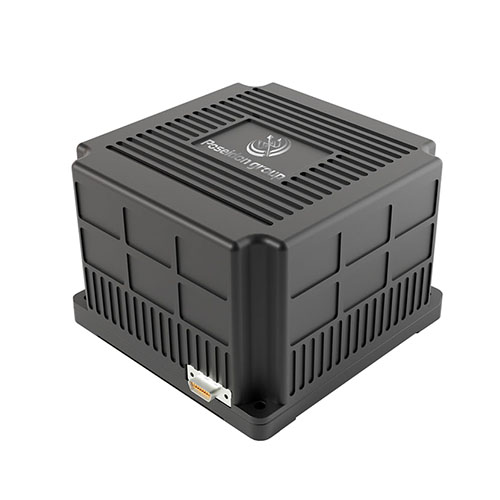 TBSD60
 BSD120
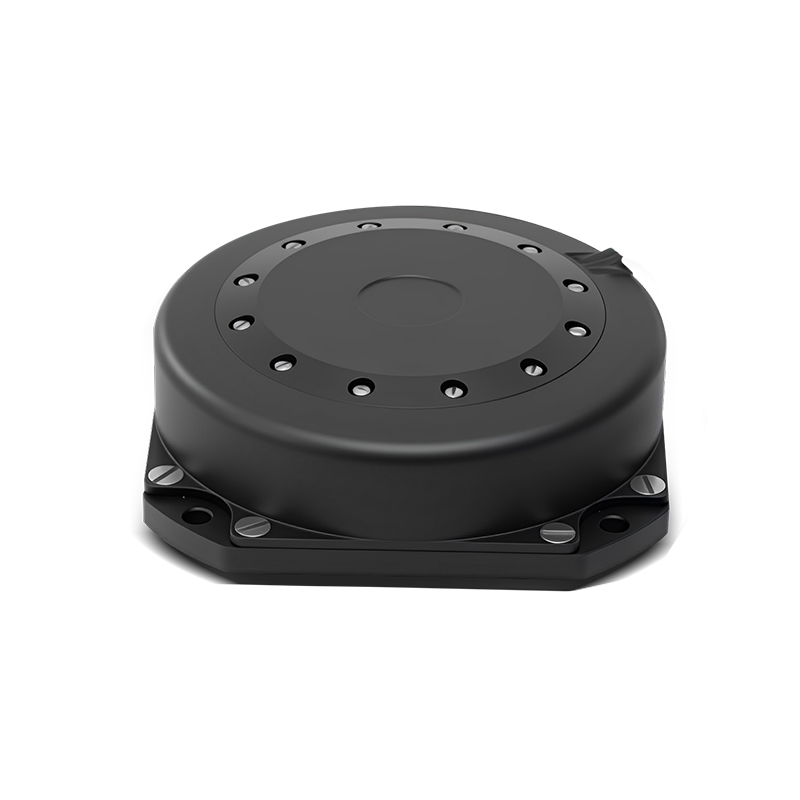 BSD98
BSD98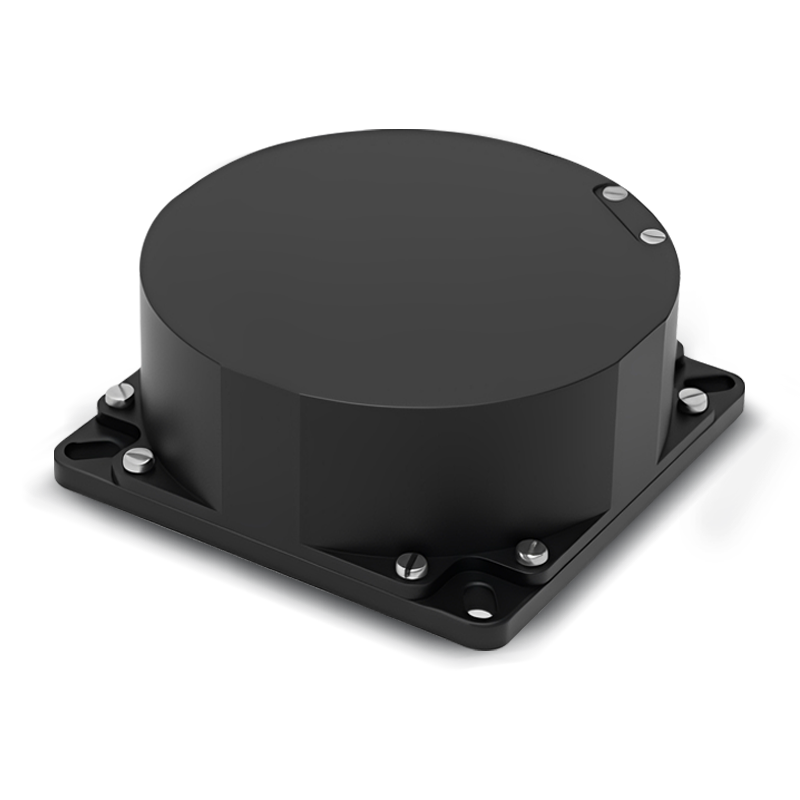 BSD70
BSD70 BSD60
BSD60 BSD50
BSD50 BSD217
 INS1700
 INS970
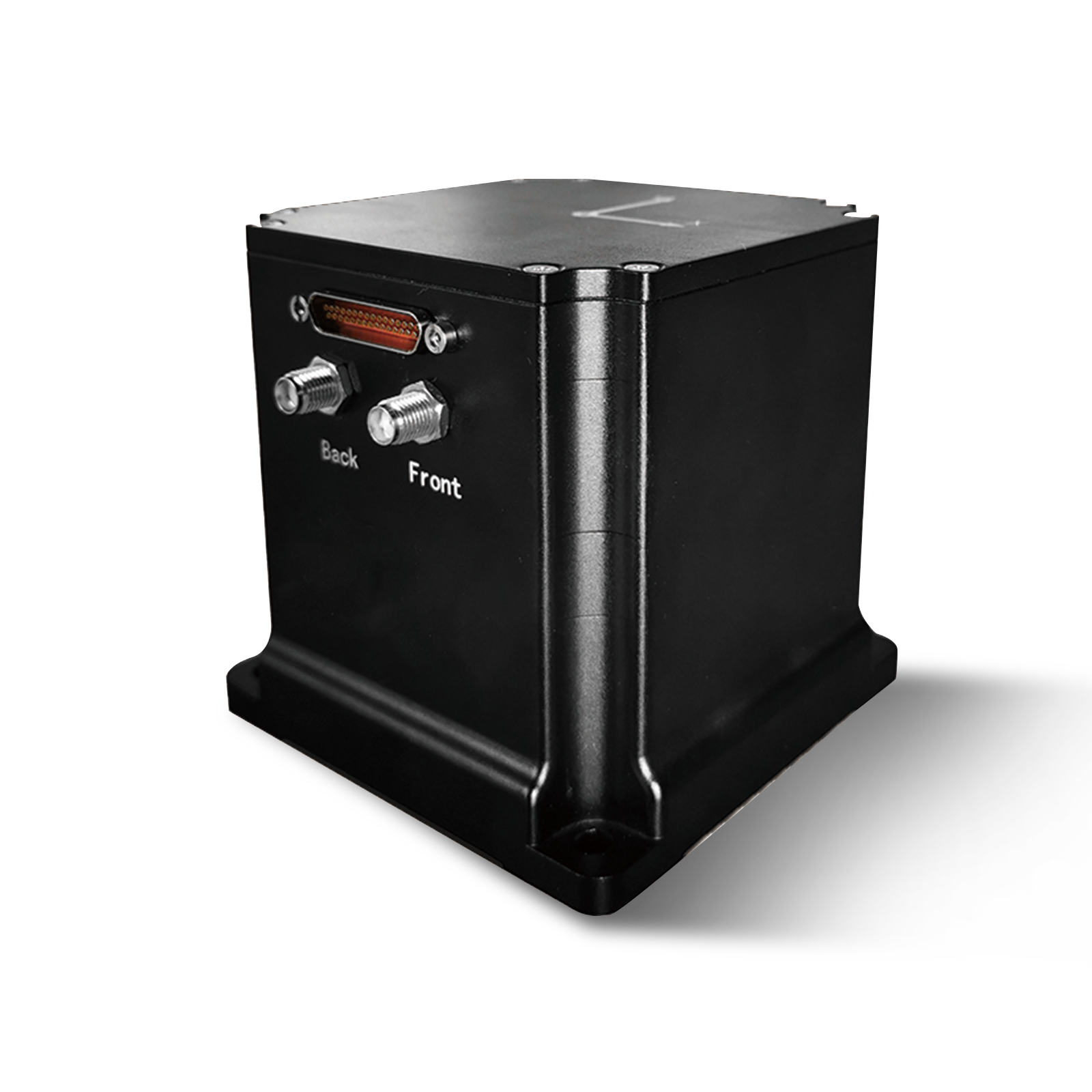 INS570
 INS170
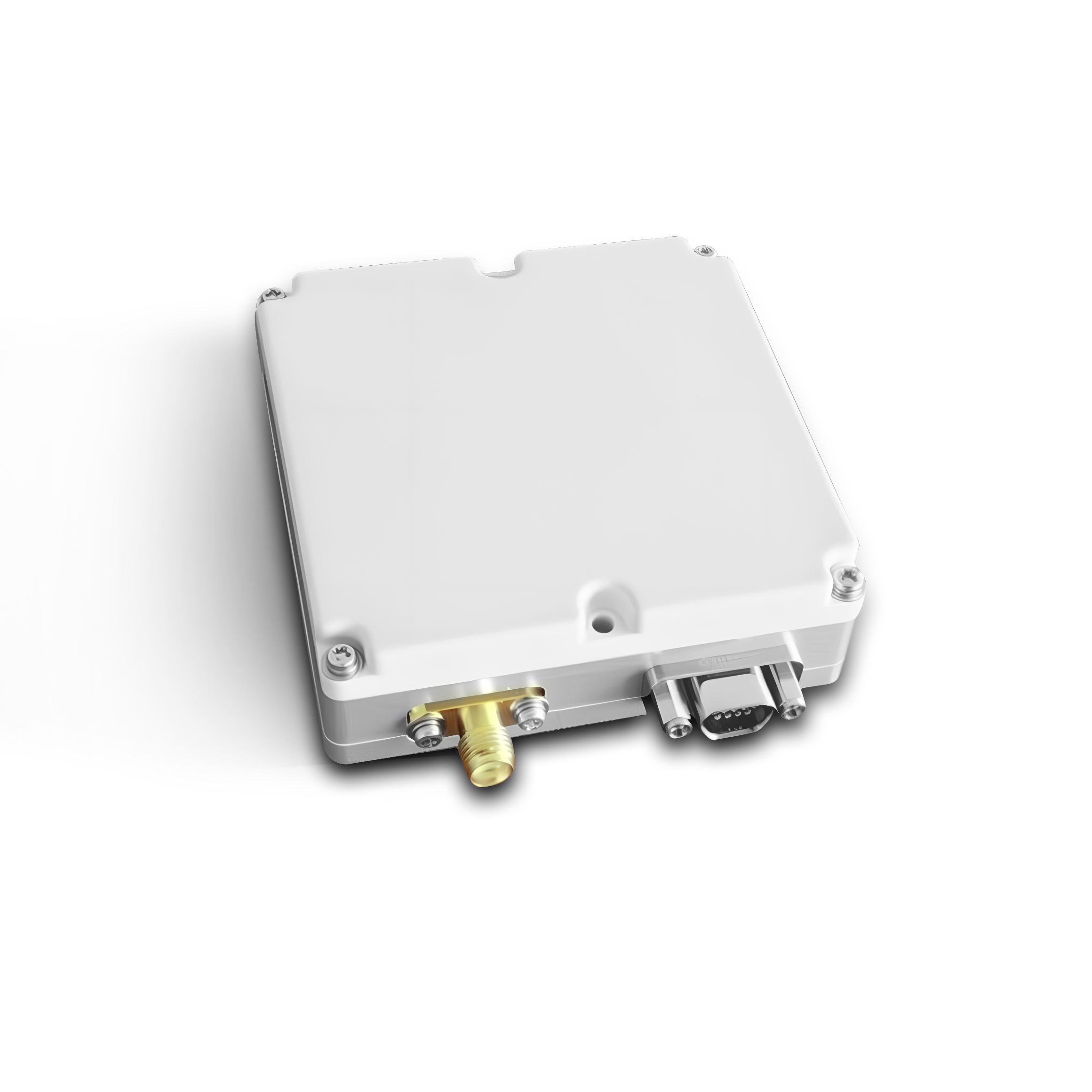 SLA-4B1L1-65
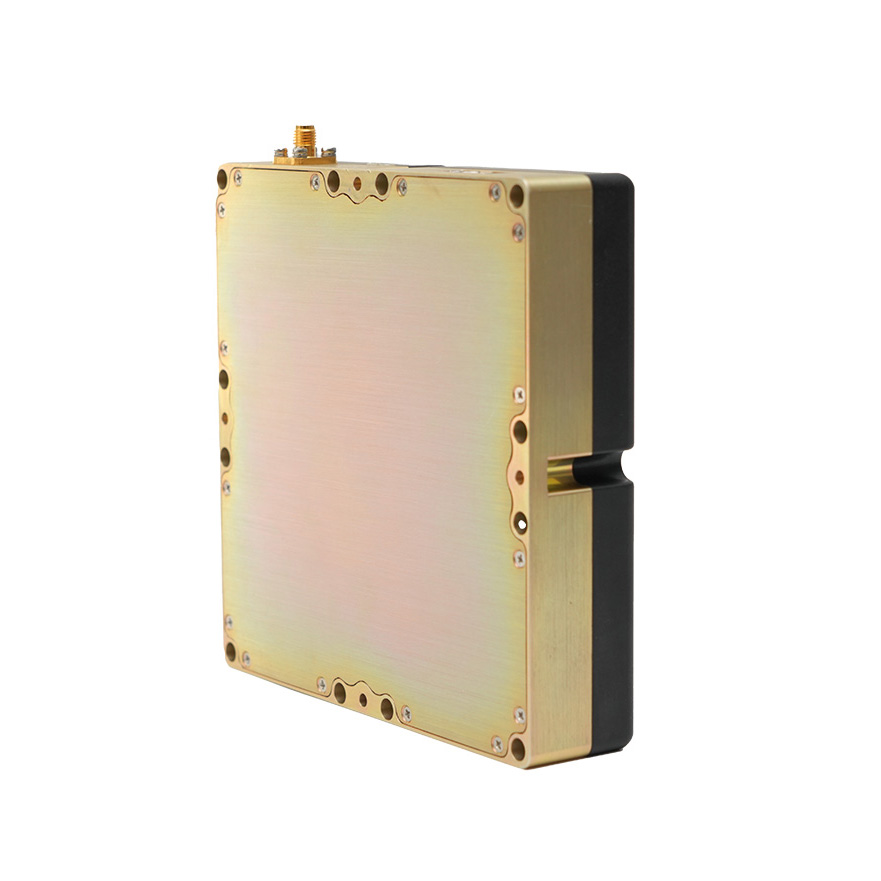 SLA-4B1L1-130
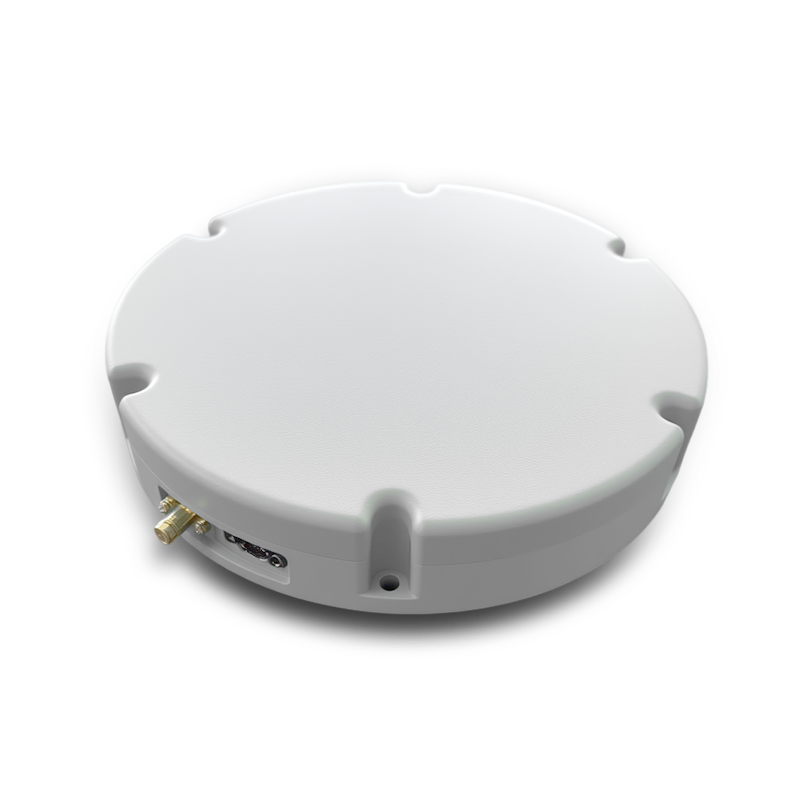 SLA-8B1L1-165
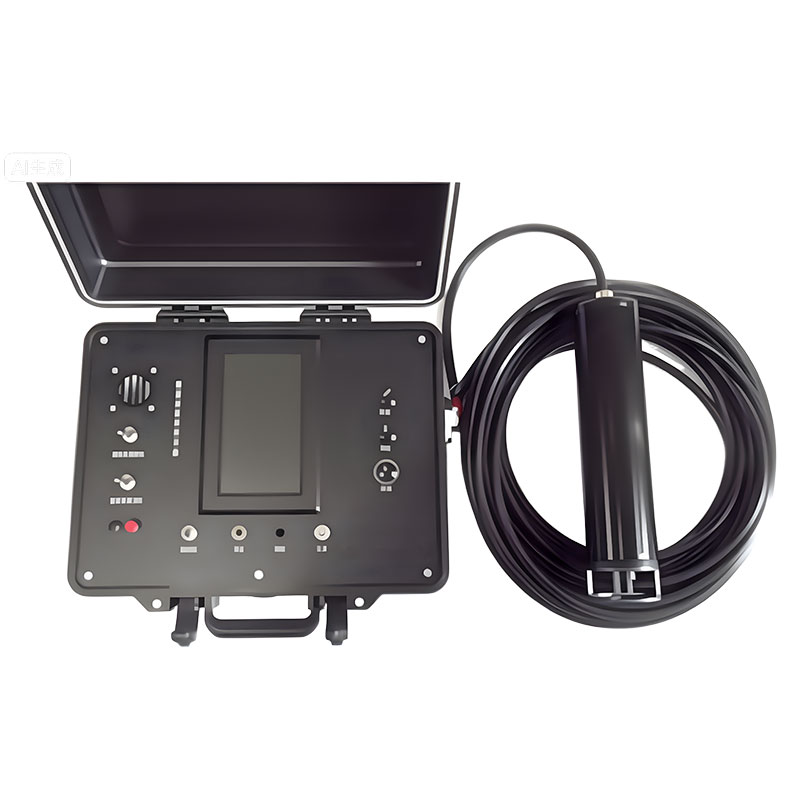 DIVER 101
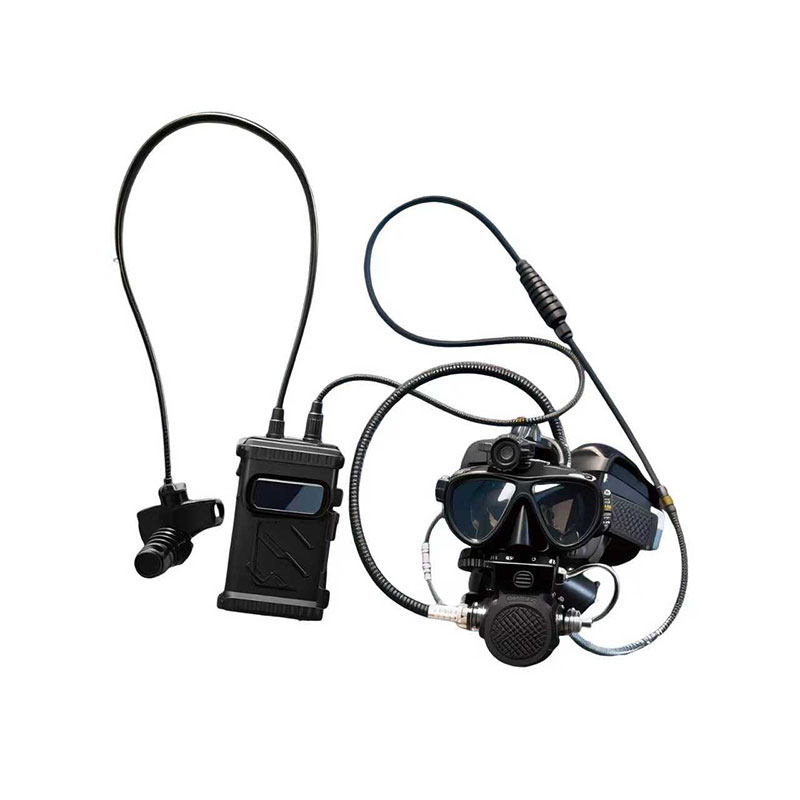 DIVER 102
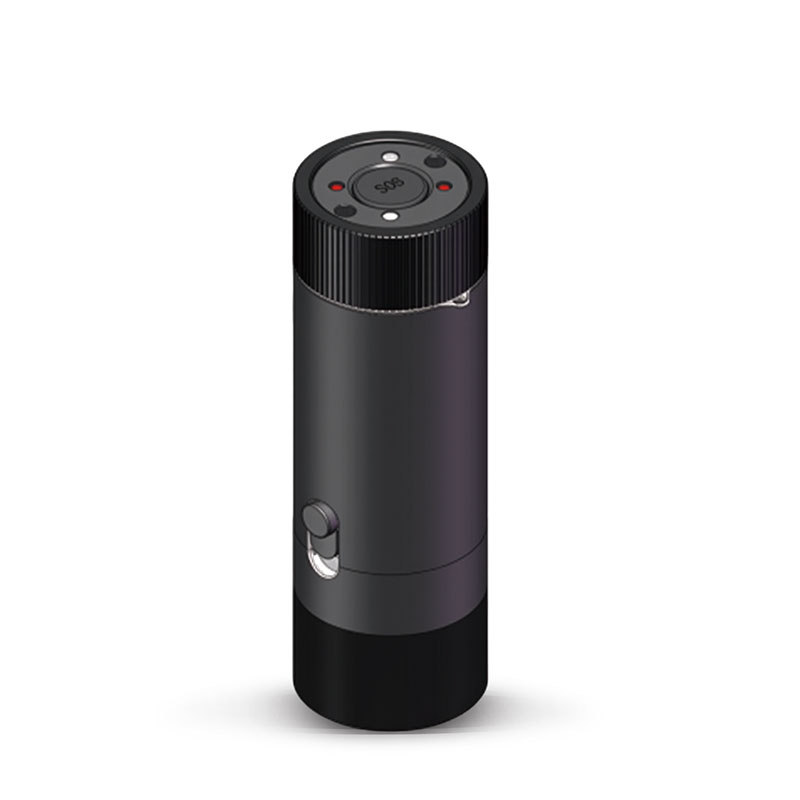 DIVER 103
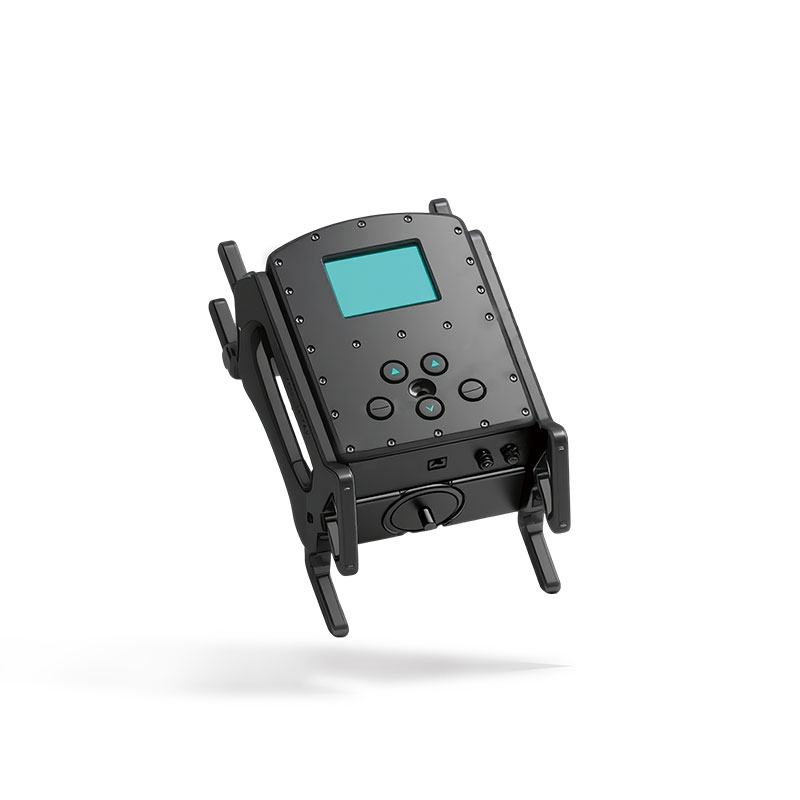 DIVER 104
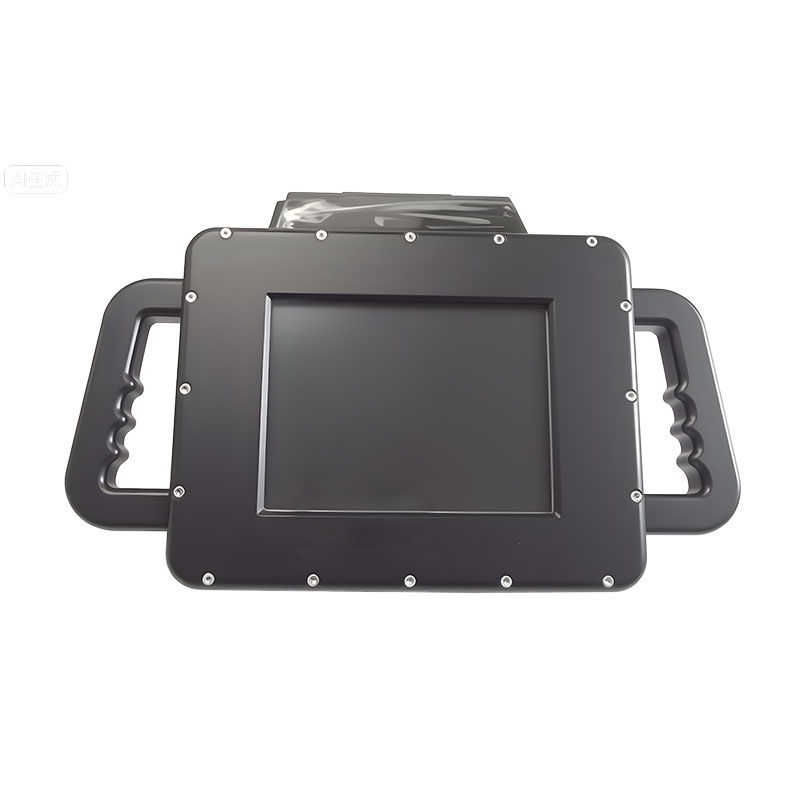 DIVER 105
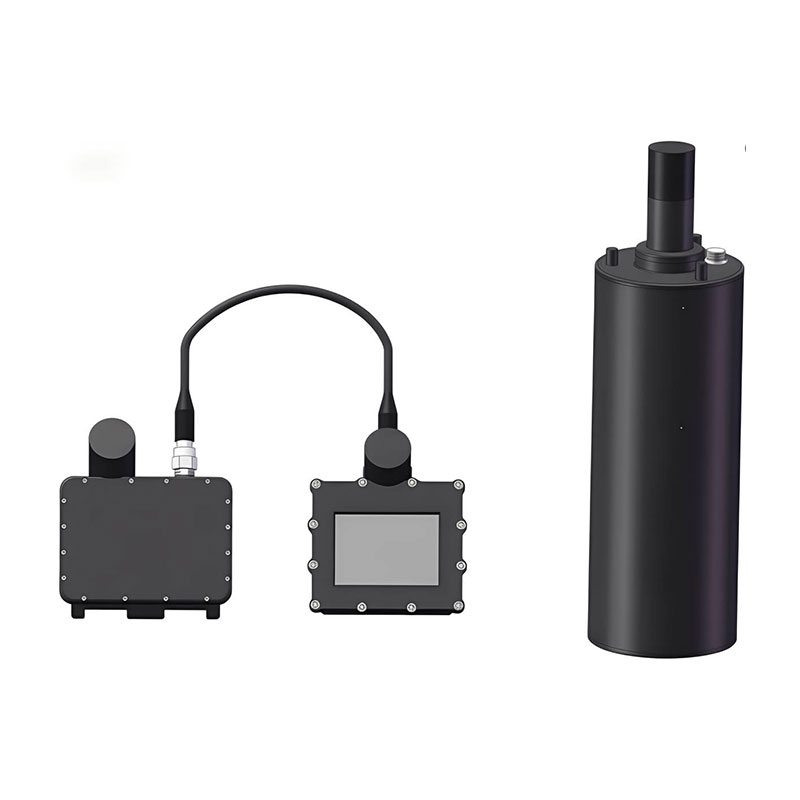 DIVER 106
 SLLR3000
 SLLR905
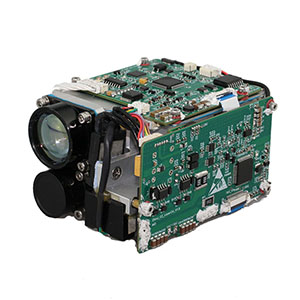 SLLD25
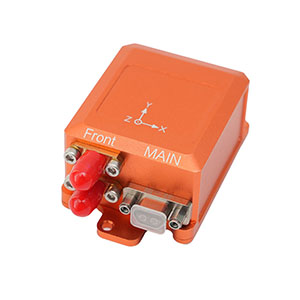 160M
160M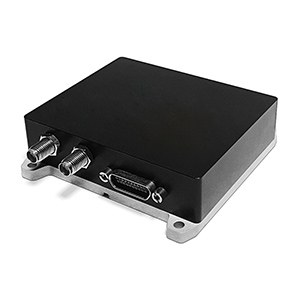 170M
170M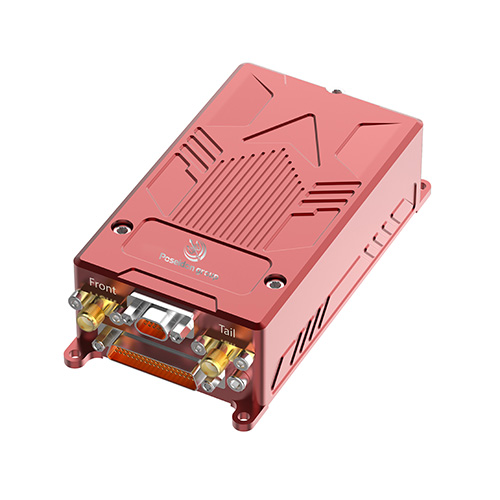 SLFC-70
 SLAF280
 MR360
MR360