You know, as technology keeps moving forward so quickly, one of the really exciting areas is how innovative
Gyroscope Guidance Systems are becoming a major part of robotics.
I read somewhere that the global robotics market
is expected to hit around $210 billion by 2025 — and a lot of that growth
is due to advances in navigation and control tech.
 Take Poseidon International Group in Hong Kong, for example.
They've been around since 2013 and really embody that innovative spirit by developing their own fiber optic
gyroscopes (FOG) and inertial navigation systems (INS). These tools are super important
because they help make robots more accurate and dependable, especially as we push towards more autonomous systems.
With everyone craving smarter, more sophisticated automation, Gyroscope Guidance Systems are pretty much set to
shape the future of robotics — helping these machines confidently navigate complex environments with precision and ease.
Take Poseidon International Group in Hong Kong, for example.
They've been around since 2013 and really embody that innovative spirit by developing their own fiber optic
gyroscopes (FOG) and inertial navigation systems (INS). These tools are super important
because they help make robots more accurate and dependable, especially as we push towards more autonomous systems.
With everyone craving smarter, more sophisticated automation, Gyroscope Guidance Systems are pretty much set to
shape the future of robotics — helping these machines confidently navigate complex environments with precision and ease.
The Role of Gyroscope Guidance Systems in Enhancing Robotic Precision and Efficiency
You know, the way gyroscope guidance systems are being integrated into robotics is pretty much changing the game. It’s like, robots are getting smarter at navigating different environments, which is pretty amazing. I read a report from the International Federation of Robotics (IFR) that says the whole industry is expected to grow at a crazy 26% annual rate between 2021 and 2025. A big part of this boom is thanks to tech improvements—especially in these gyroscopic systems—that boost how well robots understand their space and stay accurately positioned. With real-time feedback on their orientation and movement, robots can now handle complex tasks more smoothly and reliably, kinda like giving them a little extra smarts.
And get this, these systems really cut down on mistakes during operations. A study by McKinsey & Company found that companies jumping on the precision robotics bandwagon can see productivity jumps of up to 30% in manufacturing—pretty impressive, right? Gyroscopes help robots move more precisely, meaning they can do detailed assembly work and navigate tricky, ever-changing environments without breaking a sweat. As the need for smarter, more efficient robots keeps climbing, these gyroscopic systems are going to stay super important—they’re really at the forefront of pushing robotics forward, sparking new innovations and making everything run a lot smoother.
Key Innovations in Gyroscope Technology Shaping the Future of Robotics Industry
You know, the progress in gyroscope tech is really a game-changer for the future of robotics. Lately, there’ve been some pretty exciting advancements with gyroscope guidance systems that make robotic movements way more precise and reliable. I read somewhere that, according to the International Federation of Robotics, the market for personal and service robots is expected to hit about $24 billion by 2025. And it’s no surprise — gyroscope-based stabilization plays a huge part in that boom. These systems help robots navigate tricky environments more accurately, which is a lifesaver whether we're talking about factories or healthcare setups.
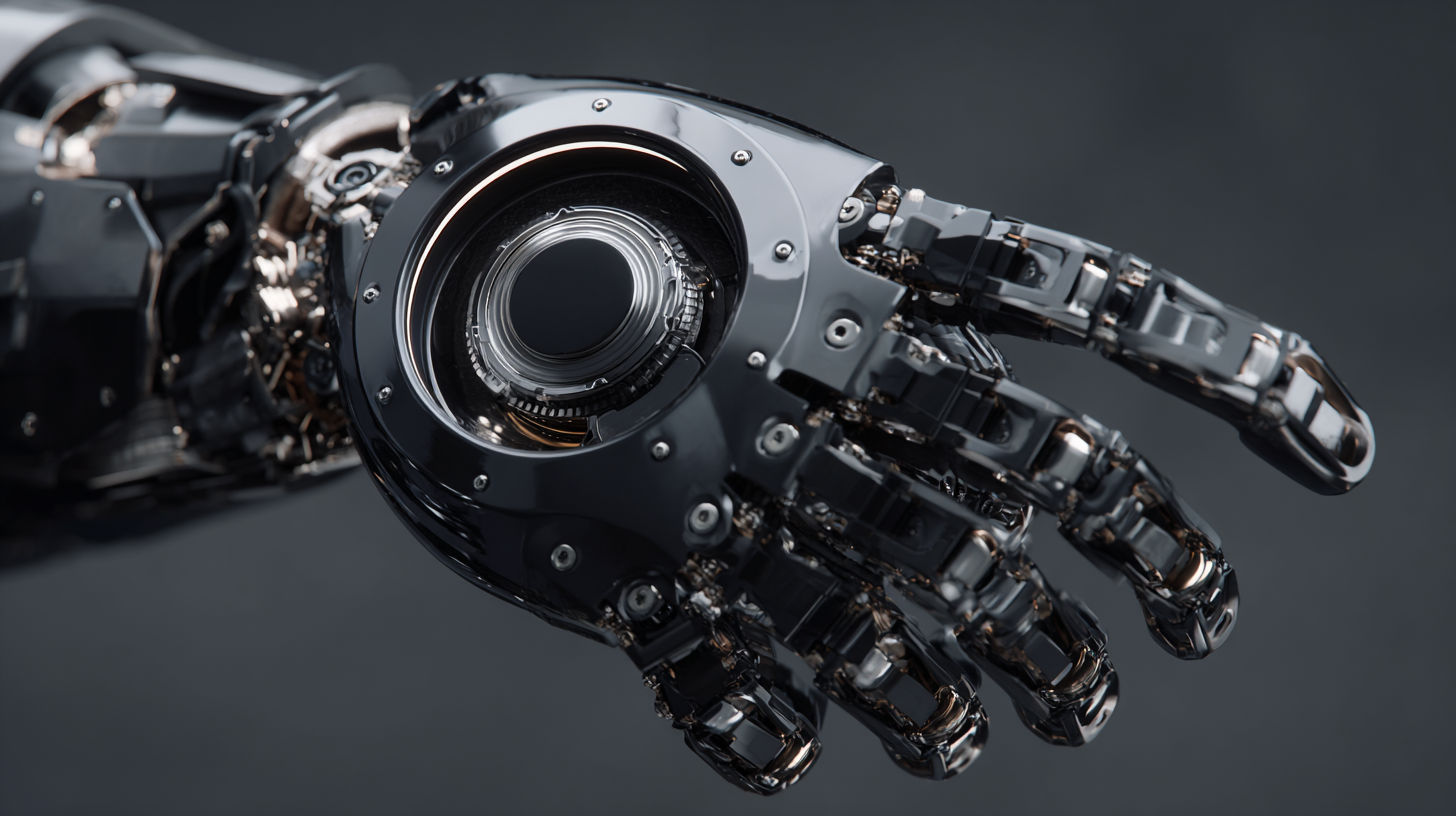
If you're into boosting your robot’s performance, adding in some advanced gyroscopes can really make a difference. A good tip is to look at MEMS gyroscopes—they’re tiny, efficient, and super responsive. They’re perfect for applications where fine motor control is a must. Oh, and don’t forget—regular calibration really helps keep things running smoothly and accurately over time.
On top of that, there’s this cool new trend with smart gyroscopes that use AI algorithms for real-time data processing. Not only does that make robots better at making decisions on the fly, but it also lets them learn and adapt around them — pretty neat, right? Jumping on these latest tech trends can really help companies stand out in a fierce market where flexibility and precision are everything.
Market Trends: The Increasing Demand for Gyroscope-Equipped Robotics Solutions
You know, right now, there's a real buzz around robotic solutions that use gyroscopes. It's not surprising, considering how tech has been moving forward so quickly, and more and more industries are starting to see the value.
Take the fiber optic gyroscope (FOG) market, for example—it's expected to jump from around $1.90 billion USD in 2025 to nearly $4.49 billion USD by 2035. That’s a compound annual growth rate (CAGR) of about 14.2%. This kind of growth really underlines how much we need precise navigation tech in robotics these days, especially for stuff like aerospace, defense, and self-driving vehicles.
And it's not just FOGs—something else to keep an eye on is the global Micro-Electro-Mechanical System (MEMS) market, which’s already worth about $17.61 billion in 2025. It’s expected to keep growing, fueled by ongoing innovations in sensor tech that are super important for robotics. As things move forward, we're seeing more and more integration of inertial navigation systems (INS), especially with smaller, lighter components—makes the robots more compact and efficient. Plus, with the surge in unmanned vehicles around the world, it looks like gyroscope-based guidance systems are just going to get more and more important, helping robots perform better and stay reliable as they do their thing.
Case Studies: Successful Implementation of Gyroscope Guidance in Real-World Robotics Applications
You know, incorporating gyroscope guidance systems into robotics has really taken the game to a whole new level—making robots way more precise and reliable. I mean, just think about experts like Gao Zhongyu, who’s been diving deep into high-precision navigational gyroscopes for over fifty years. His work seriously shows how these tech advancements are opening doors for much smarter autonomous systems. His research in inertial navigation really highlights how crucial these advanced gyroscopic systems are—whether it’s helping ships navigate across the seas or guiding self-driving cars through city streets.
Over here at Poseidon International Group, we’re super passionate about innovation, and we see this kind of research as a once-in-a-lifetime chance to turn ideas into real-world solutions. Since we kicked things off in 2013, we’ve focused a lot on developing our own fiber optic gyroscopes and inertial navigation systems. Our team has become pretty good at designing sturdy attitude and control systems, which are actually making a difference in the field of robotics. As you can see from different projects, applying these systems in different sectors really shows how much potential they have to push the industry forward—improving efficiency and making autonomous operations safer and more reliable.
Future Projections: The Impact of Gyroscope Systems on Robotics Development and Adoption Rates
You know, the integration of cutting-edge gyroscope guidance systems is really set to shake up the robotics world. It’s a game-changer, especially when you think about how much it could boost the development and adoption of robotic tech. Looking at the market, it’s pretty exciting—global inertial navigation systems are expected to grow from around $13.65 billion in 2025 to a whopping $24.28 billion by 2032. That’s a clear sign that everyone’s craving more accurate navigation solutions right now. With a solid compound annual growth rate of 8.6%, it’s obvious that more and more industries are leaning heavily on autonomous robots, which rely a lot on gyroscopes for better control and stability.
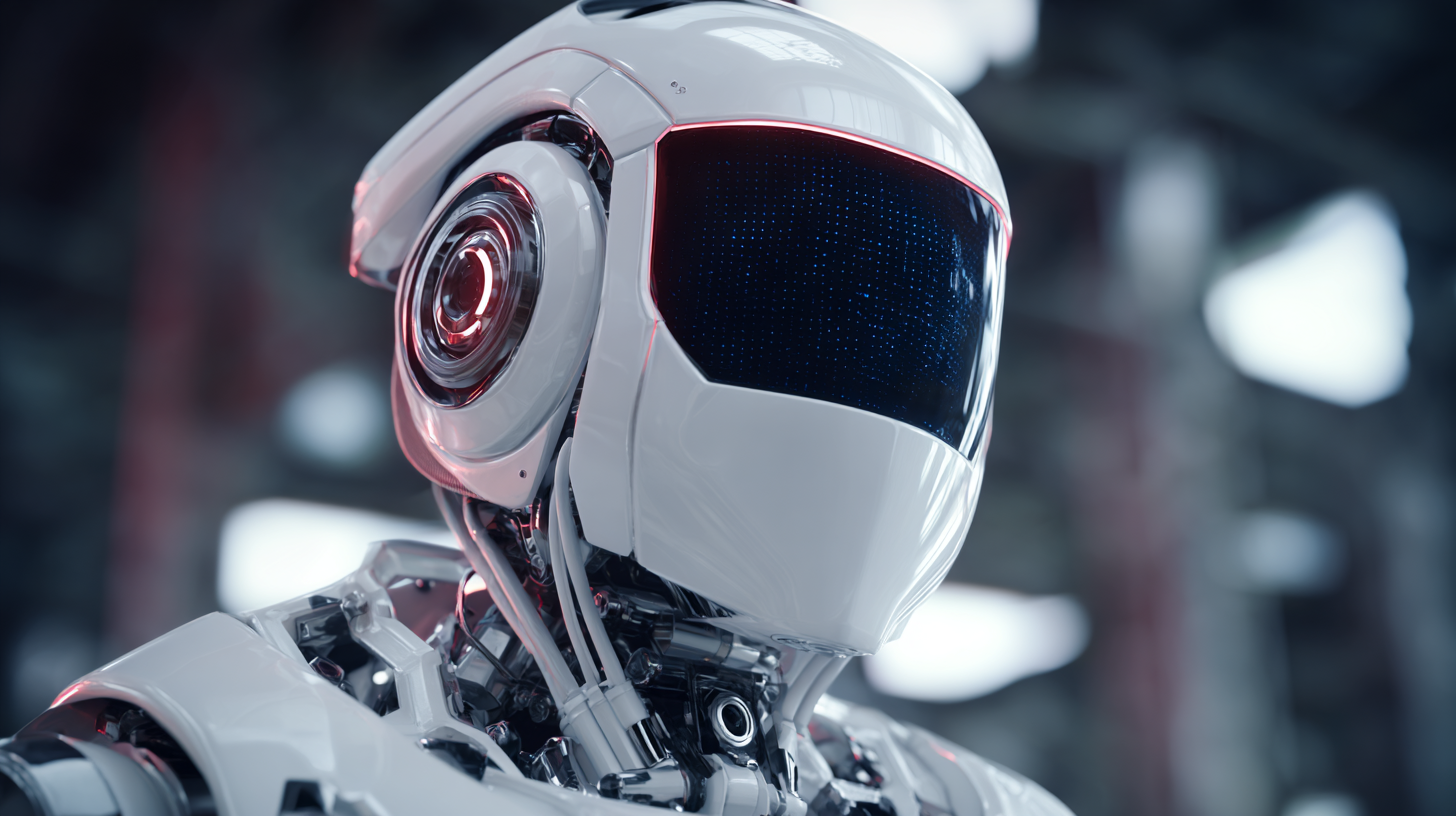
If you’re working on integrating gyroscope systems into your robots, a few tips could really help. First off, make sure your guidance tech plays nicely with the hardware you've already got. It’s also super important to test things out in different conditions—trust me, reliability depends on it. Plus, it’s a good idea to keep scalability in mind so your system can handle future upgrades and demands. And don’t forget—investing some time and resources into R&D can make a big difference in boosting how well these systems perform. All in all, this should lead to more folks jumping on board with gyroscope-guided robots.
Looking ahead, the possibilities are huge—ranging from factories that run themselves to personal assistant robots. As companies keep pushing forward with these innovations, we’re bound to see some pretty amazing improvements in how precise, efficient, and versatile robotic solutions become across all sorts of industries.
Challenges and Solutions: Overcoming Limitations of Gyroscope Guidance in Robotics Systems
Gyroscope guidance systems have really become a key part of pushing robotic tech forward, but they’re not without their issues. One of the biggest hurdles is how sensitive gyroscopes can be to noise and interference from the environment. Things like vibrations, magnetic fields, and temperature swings can mess with their accuracy, making robots less dependable, especially in unpredictable or busy settings. To tackle this, researchers are working on adaptive filtering methods that mix data from various sensors—kind of like teamwork—to boost precision and durability.
Another snag is that these systems can be pretty heavy and energy-hungry, which isn’t ideal for smaller, more mobile robots. Here’s where innovations in miniaturization and energy harvesting come into play. If we can develop lighter, low-power gyroscopes, robots can be more agile and run longer without needing constant recharges. Plus, AI algorithms are really stepping up to help. They can make guidance systems smarter, allowing robots to learn and adapt to their environment on the fly—reducing the need for pure gyroscope input all the time. All these efforts are pushing us closer to more capable, versatile robots that can handle a variety of tasks in different fields, no problem.
Challenges and Solutions in Gyroscope Guidance Systems for Robotics
Innovative Applications and Benefits of Micro Electro Mechanical Systems in Modern Technology
Micro Electromechanical Systems (MEMS) have emerged as a transformative force in modern technology, offering innovative applications that span a variety of fields, from aerospace to consumer electronics. One of the standout benefits of MEMS technology is its remarkable precision and lightweight design, which make it ideal for applications requiring high accuracy and minimal weight. For instance, MEMS navigation products boast performance metrics such as a heading accuracy of 0.1° and attitude accuracy also of 0.1°. This level of precision is crucial for systems that depend on accurate positioning and orientation, such as drones, autonomous vehicles, and advanced robotics.
Additionally, the small size and lightweight characteristics of MEMS devices contribute to their versatility in various applications. The integration of MEMS sensors enables the development of compact and efficient devices that can be easily incorporated into wearables or smart devices, enhancing functionality without sacrificing portability. As more industries recognize the advantages of MEMS technology, the demand for these innovative products continues to grow, opening up new possibilities in fields like healthcare, where they can be used for real-time monitoring and diagnostics, and in telecommunications, where they facilitate enhanced connectivity and data transmission. The future of MEMS clearly holds significant promise for ongoing innovation and integration into the fabric of modern technology.
FAQS
: Gyroscope guidance systems enhance a robot's spatial awareness and positioning accuracy, enabling improved navigation and operation in various environments.
The global robotics industry is projected to grow at a compound annual growth rate (CAGR) of 26% from 2021 to 2025.
Companies that adopt precision robotics can achieve productivity improvements of up to 30% in their manufacturing processes.
These systems significantly reduce the margin of error in robotic operations, allowing for more precise movements and the ability to perform intricate tasks.
Gao Zhongyu is an expert with over fifty years of experience in high-precision navigational gyroscopes, contributing to the development of advanced gyroscopic systems for various applications.
Gyroscope guidance systems are beneficial in a variety of applications, including maritime navigation and autonomous vehicles.
Poseidon International Group focuses on the independent development of fiber optic gyroscopes and inertial navigation systems to contribute to the robotics field.
By providing enhanced precision and reliability, gyroscope systems help ensure safer operations in autonomous robotics by reducing errors during navigation and task execution.
The continual evolution of gyroscope technologies presents opportunities for more sophisticated autonomous systems, driving innovation and enhancing operational performance in robotics.
The integration of gyroscope systems is critical as they enable more sophisticated and efficient robotic solutions, which meet the growing demand for advanced capabilities in the industry.
Conclusion
In the article titled "Exploring the Future of Robotics with Innovative Gyroscope Guidance Systems," they really dig into how these gyroscope systems are playing a huge role in making robots more accurate and efficient. As the robotics world keeps evolving, it’s pretty clear that new innovations in gyroscope tech are becoming more and more important — and that’s pushing up demand for robots equipped with these systems. They even include real-life case studies, which show how these systems are actually transforming different kinds of robots, making a real difference in the field.
Poseidon International Group, with their expertise in fiber optic gyroscopes (FOG) and inertial navigation, is right at the cutting edge of these advancements. Experts believe that as gyroscope guidance gets more widely adopted, it'll only boost robotics development further. Of course, there are still some hurdles to clear, especially in addressing certain limitations these systems have. But overall, as we figure things out and overcome these challenges, we open up a world of exciting possibilities for new robotics solutions. It really feels like we’re on the brink of a new era in automation and AI — pretty cool, right?

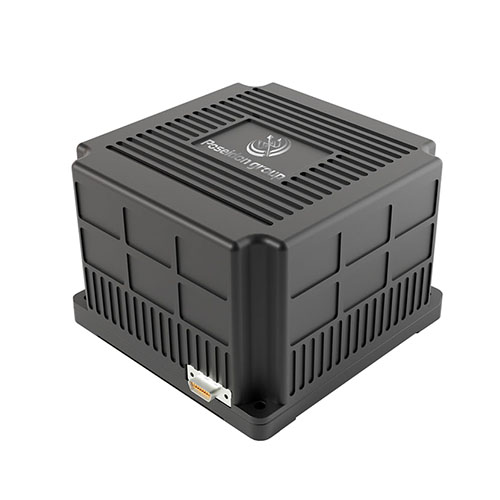 TBSD60
 BSD120
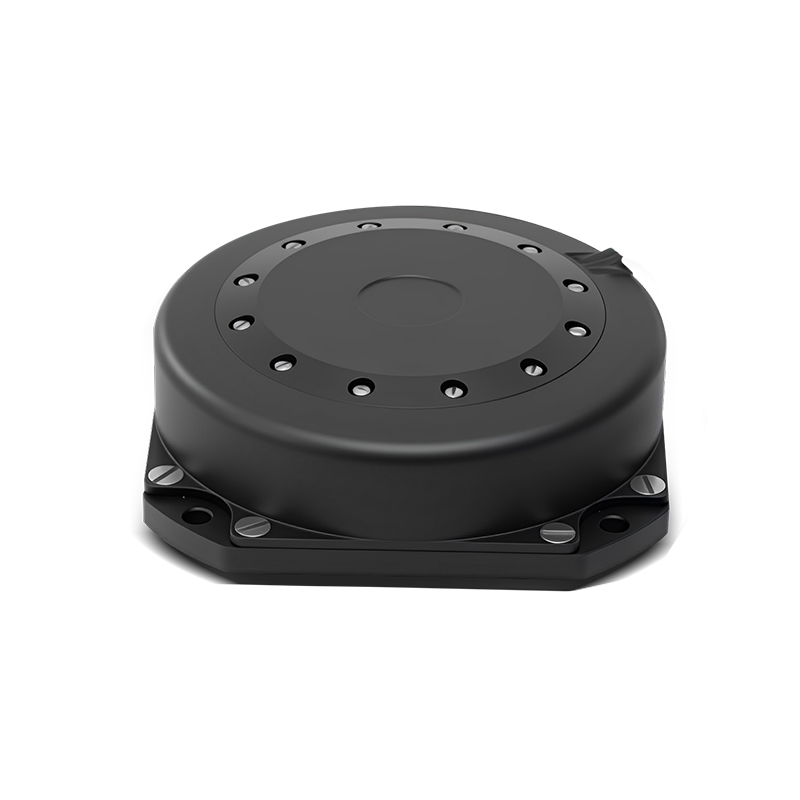 BSD98
BSD98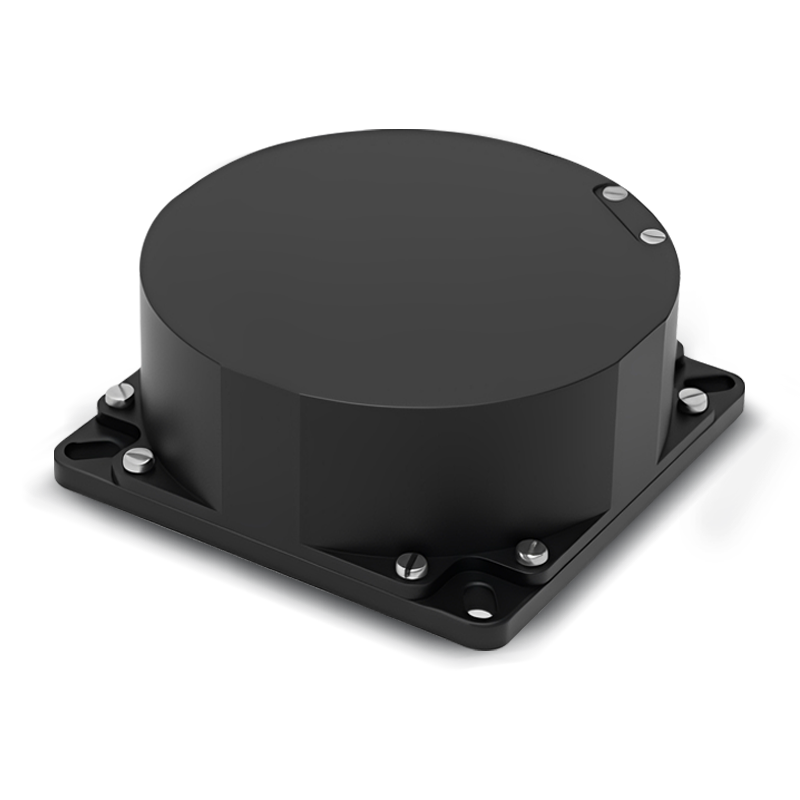 BSD70
BSD70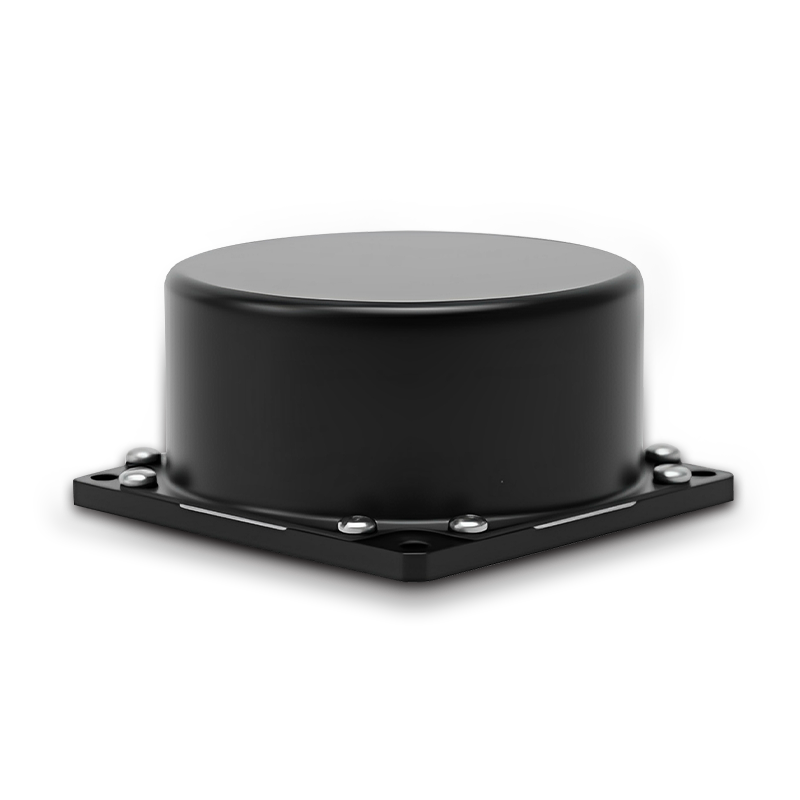 BSD60
BSD60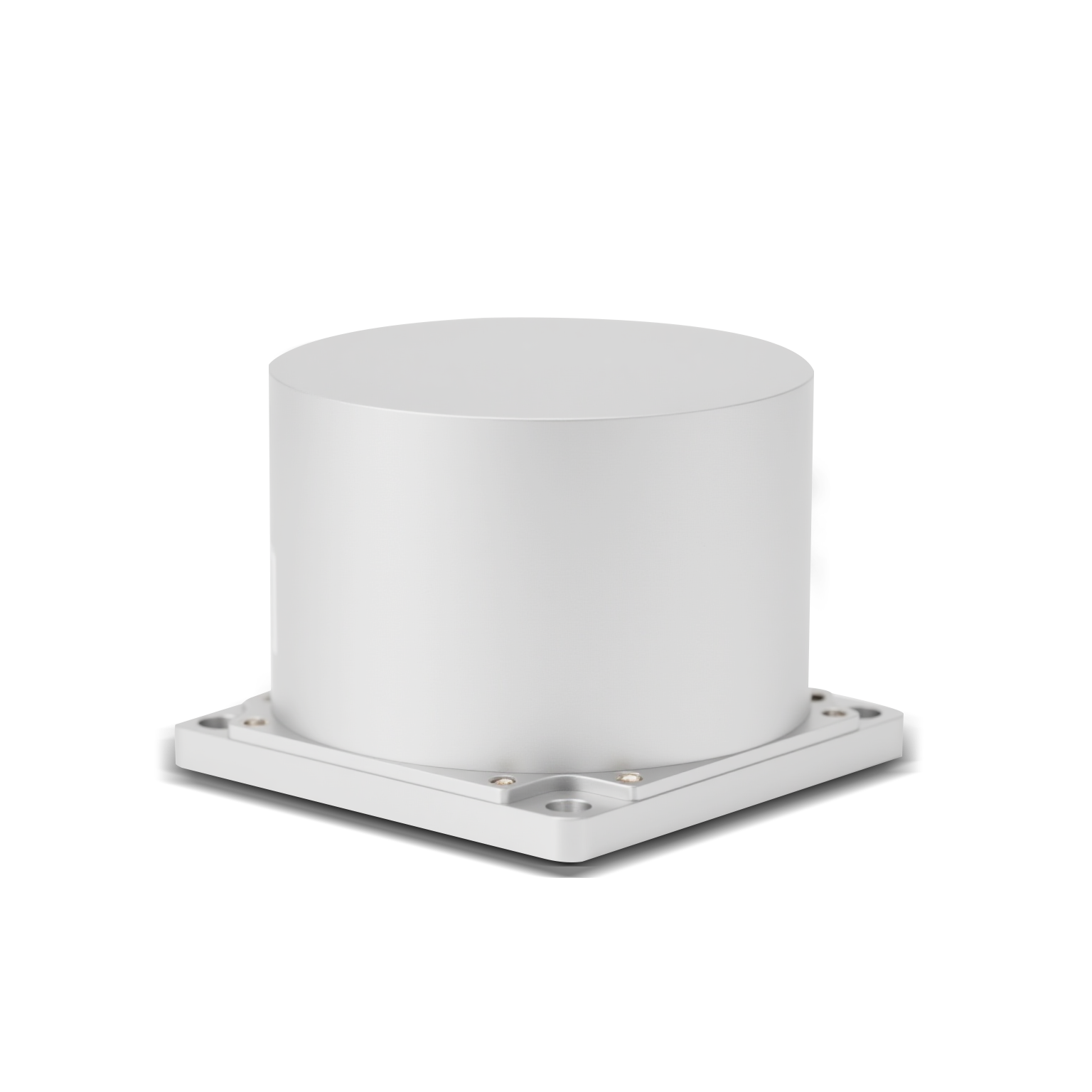 BSD50
BSD50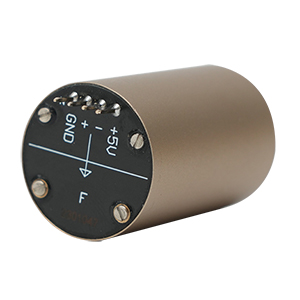 BSD217
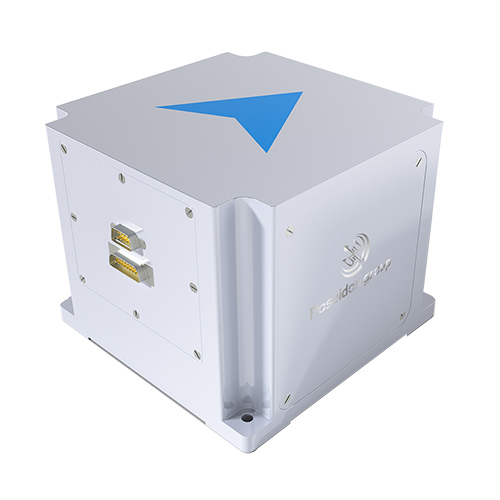 INS1700
 INS970
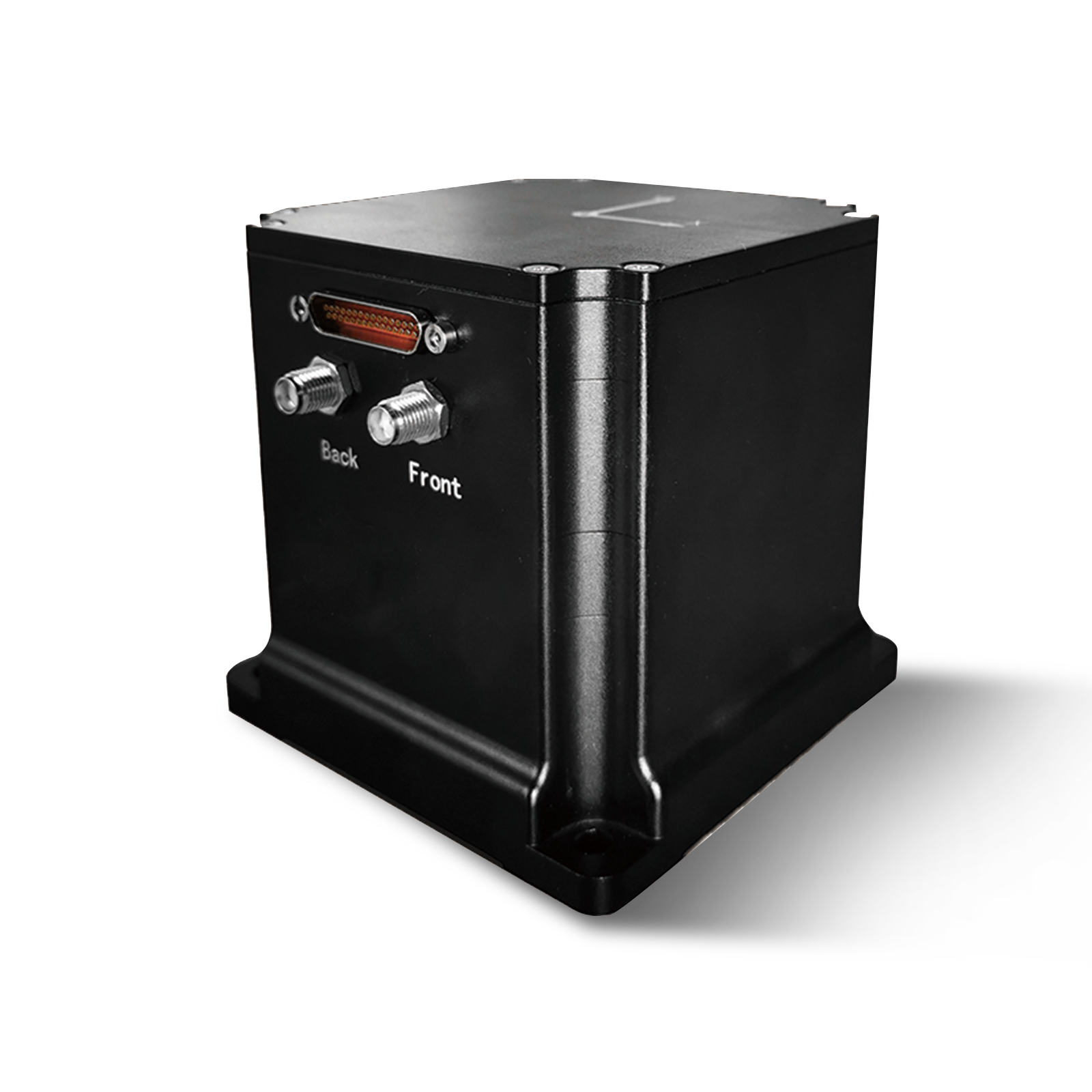 INS570
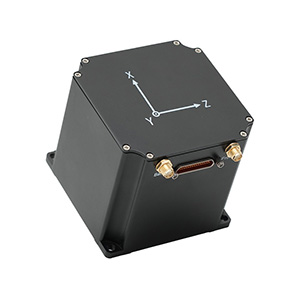 INS170
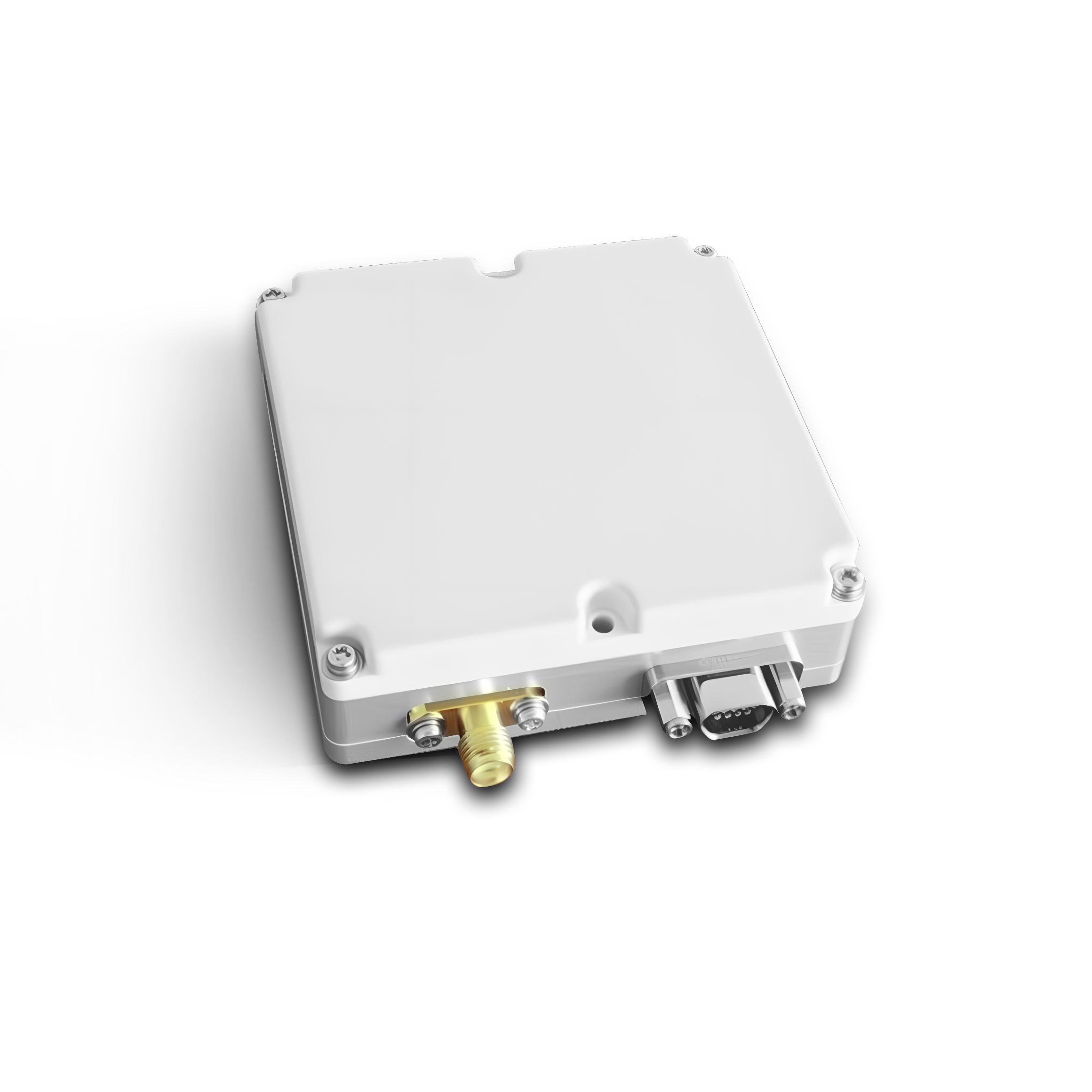 SLA-4B1L1-65
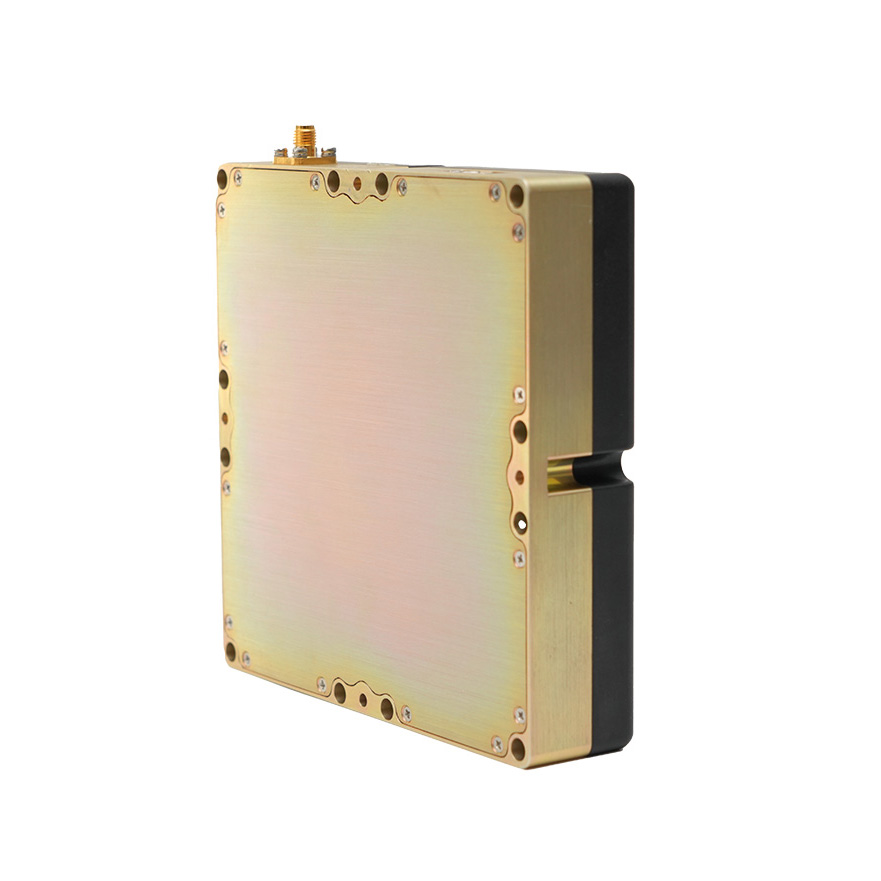 SLA-4B1L1-130
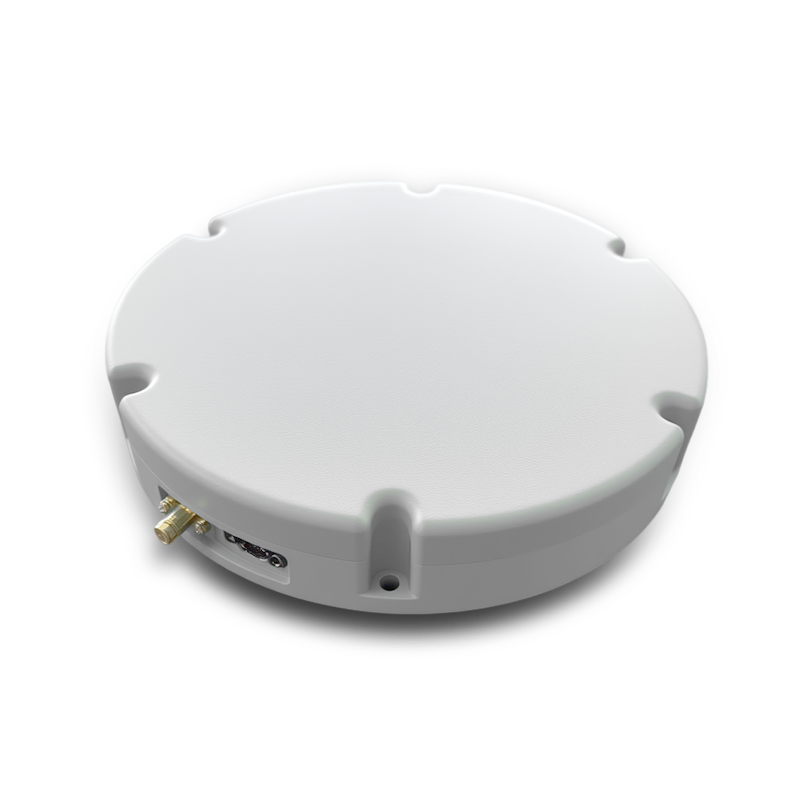 SLA-8B1L1-165
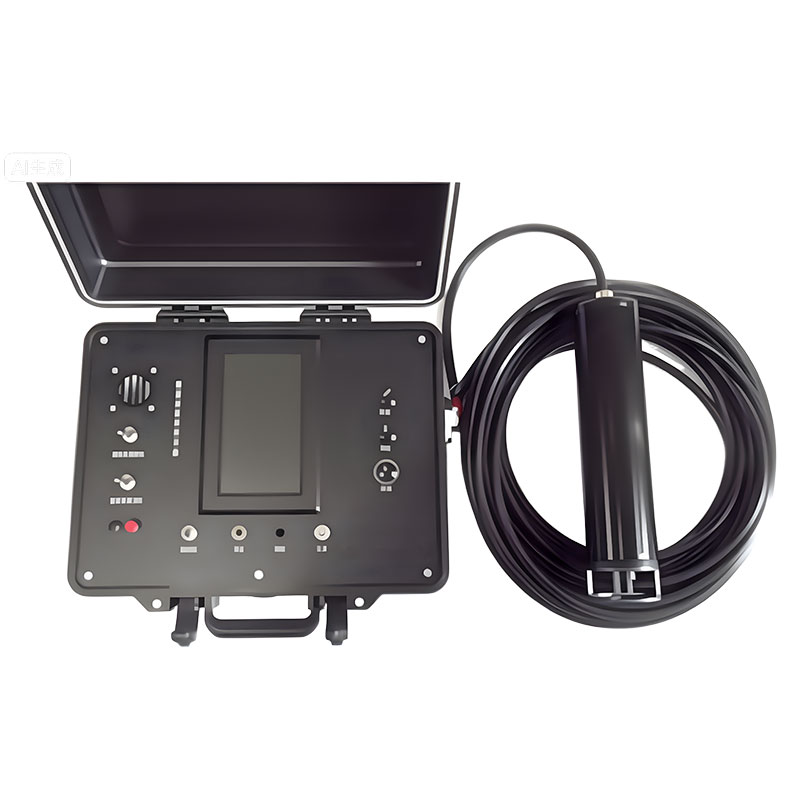 DIVER 101
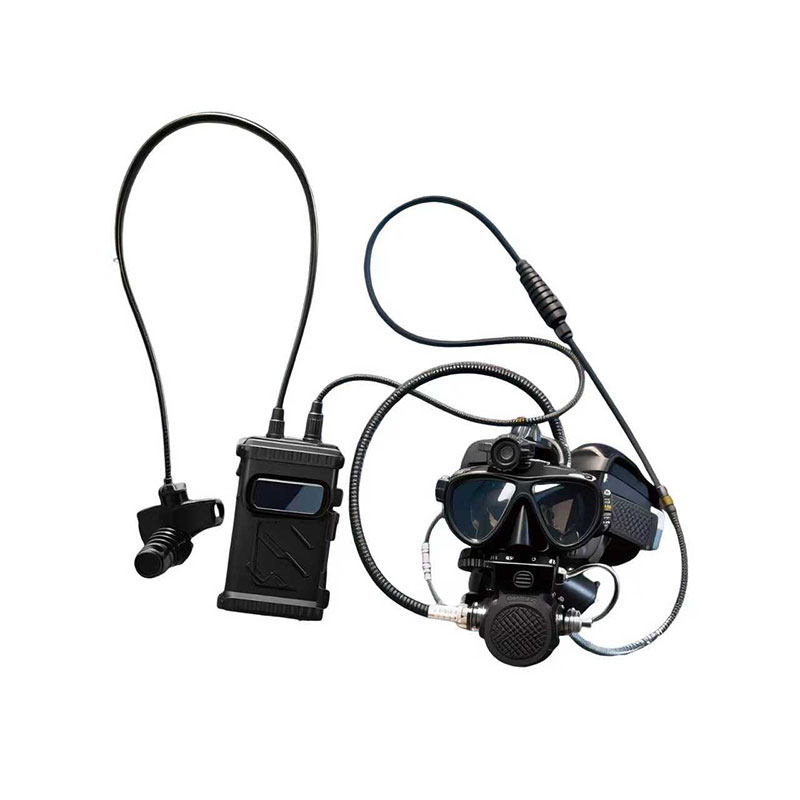 DIVER 102
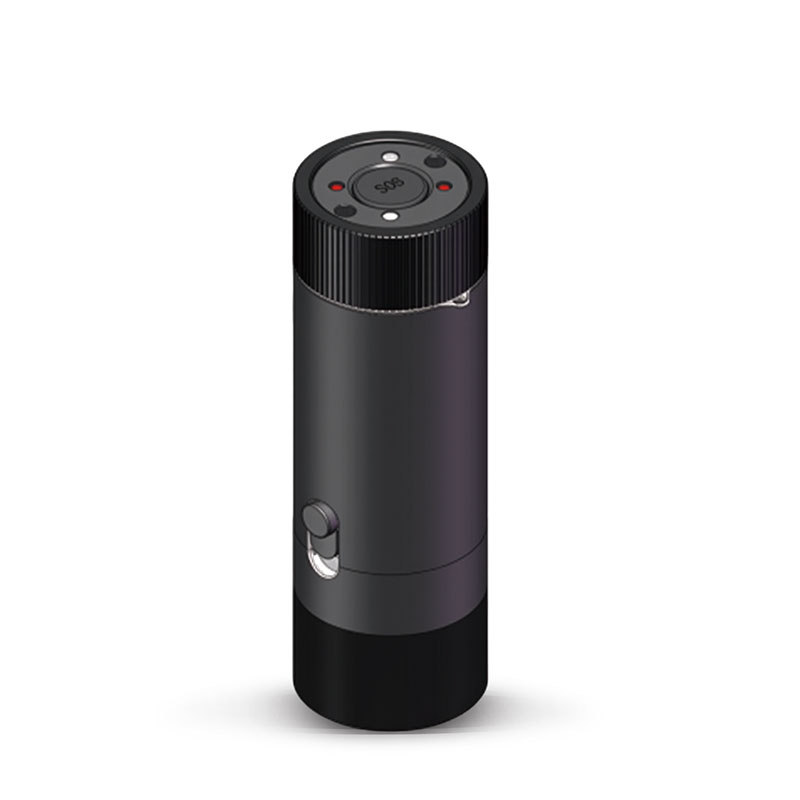 DIVER 103
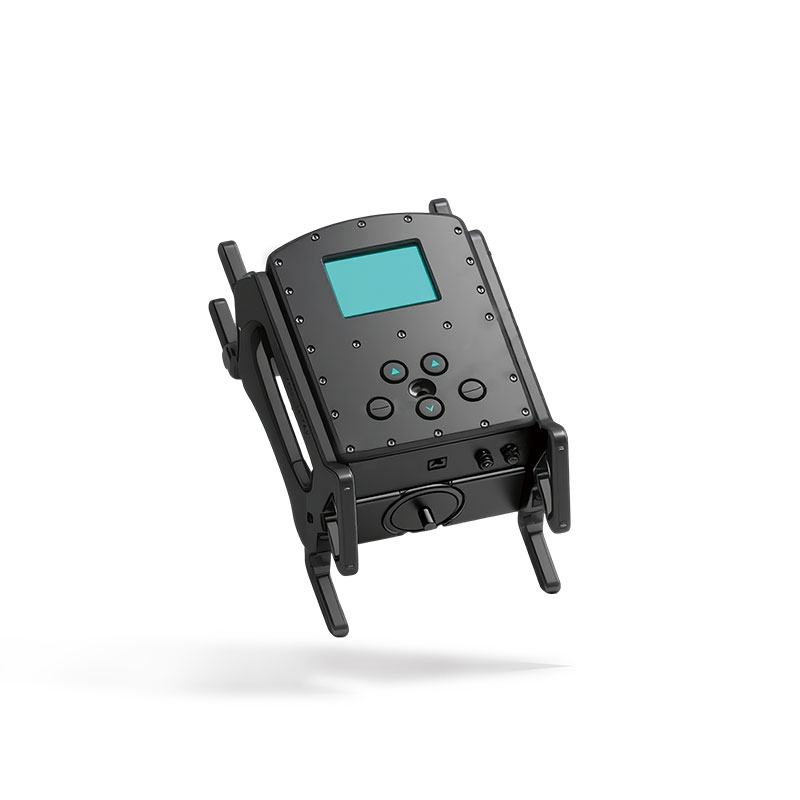 DIVER 104
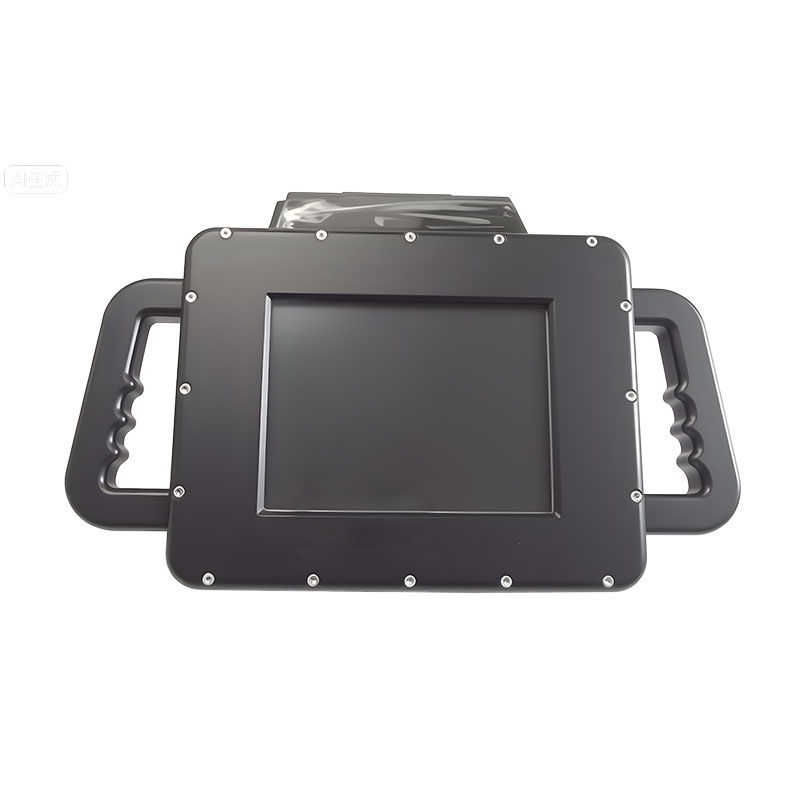 DIVER 105
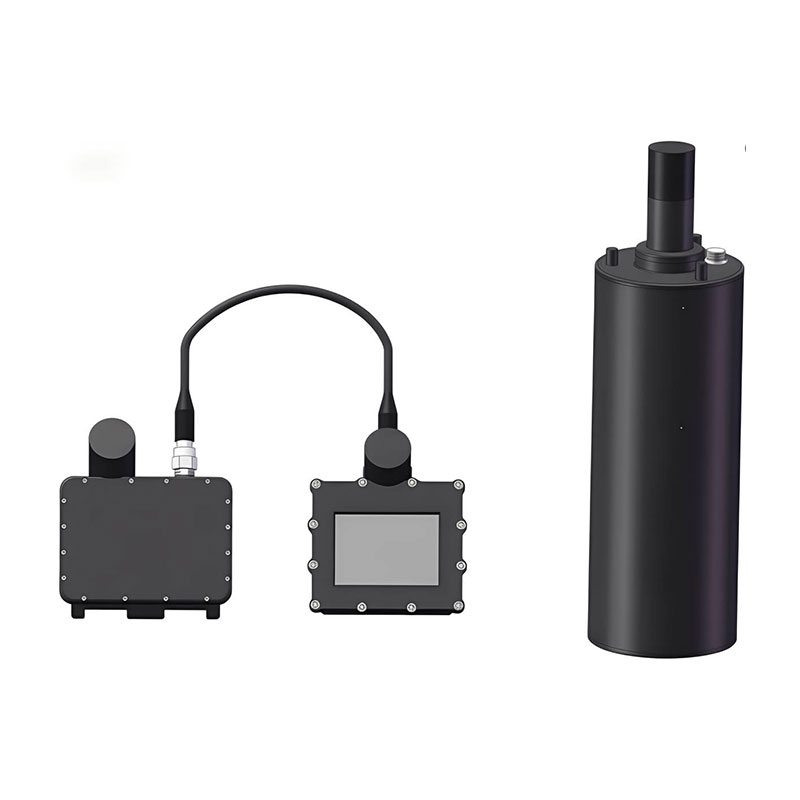 DIVER 106
 SLLR3000
 SLLR905
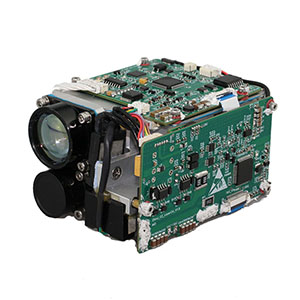 SLLD25
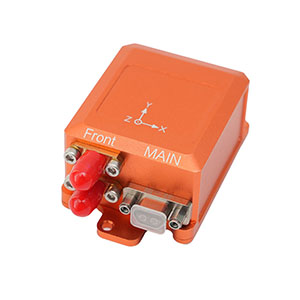 160M
160M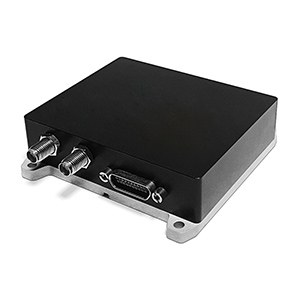 170M
170M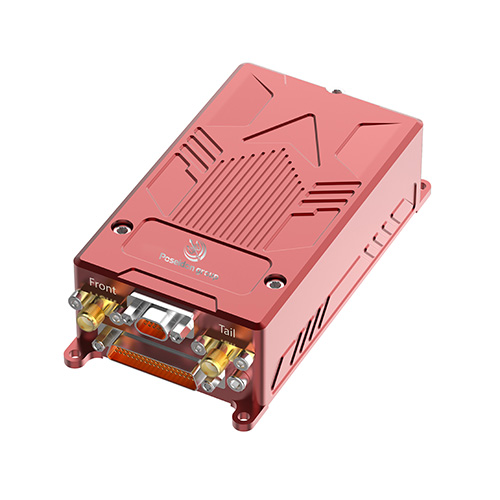 SLFC-70
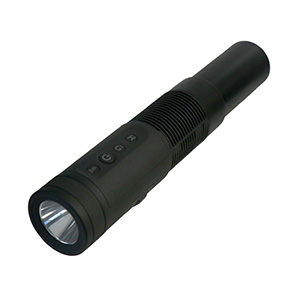 SLAF280
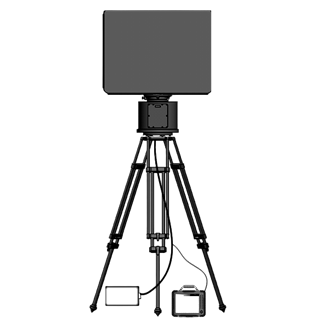 MR360
MR360