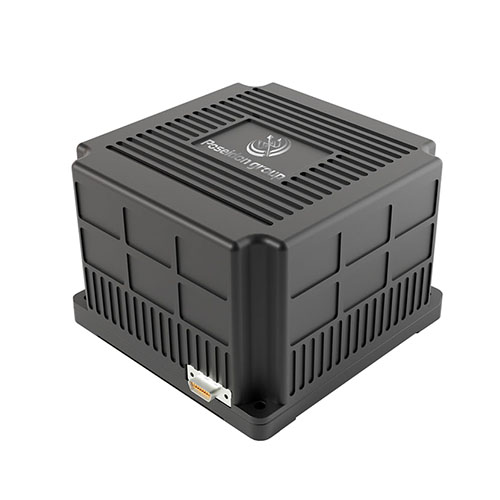
 TBSD60
 BSD120
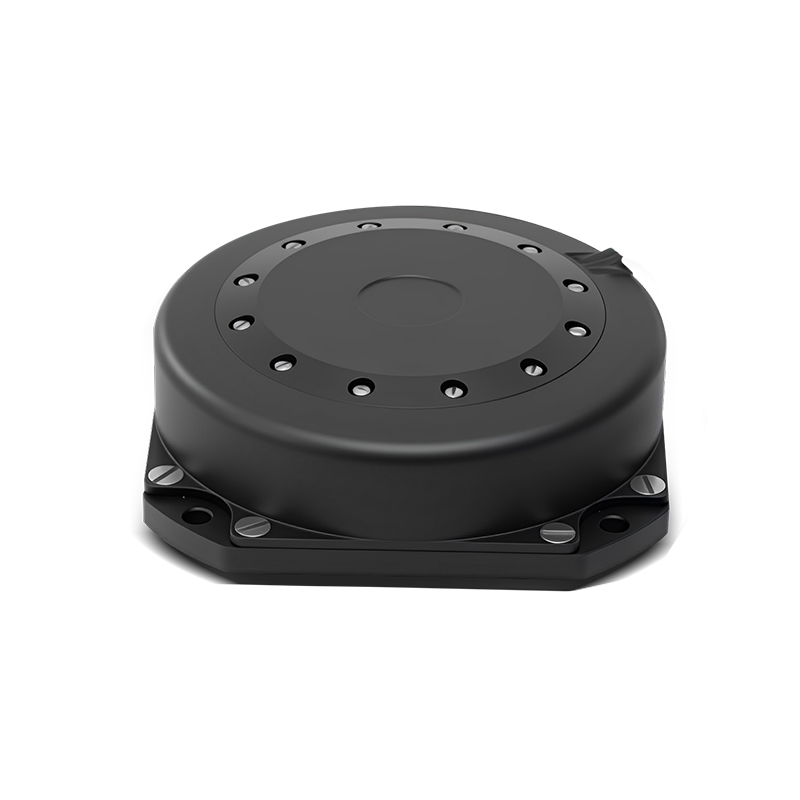 BSD98
BSD98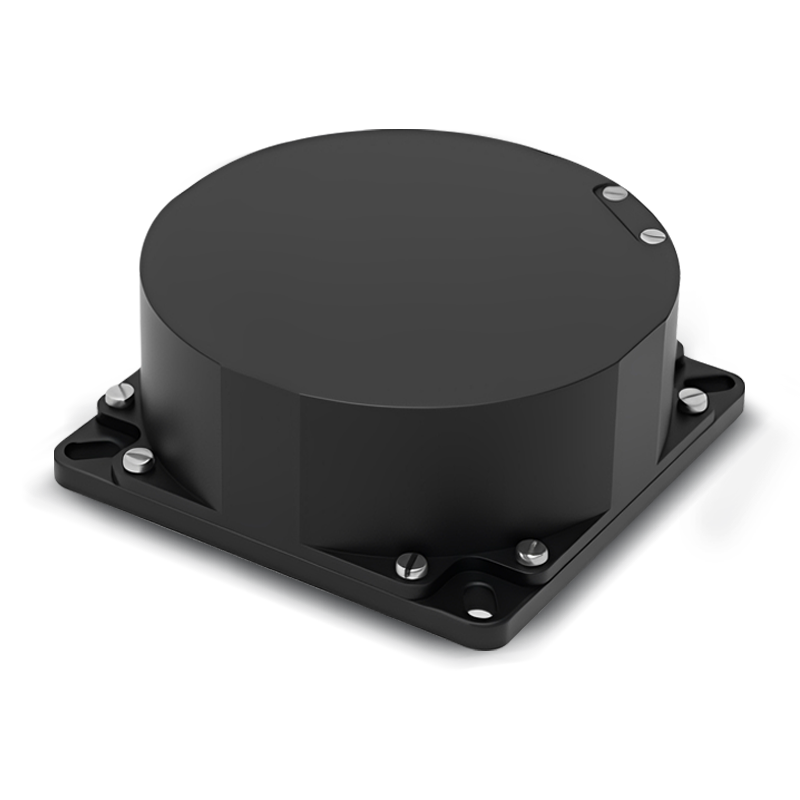 BSD70
BSD70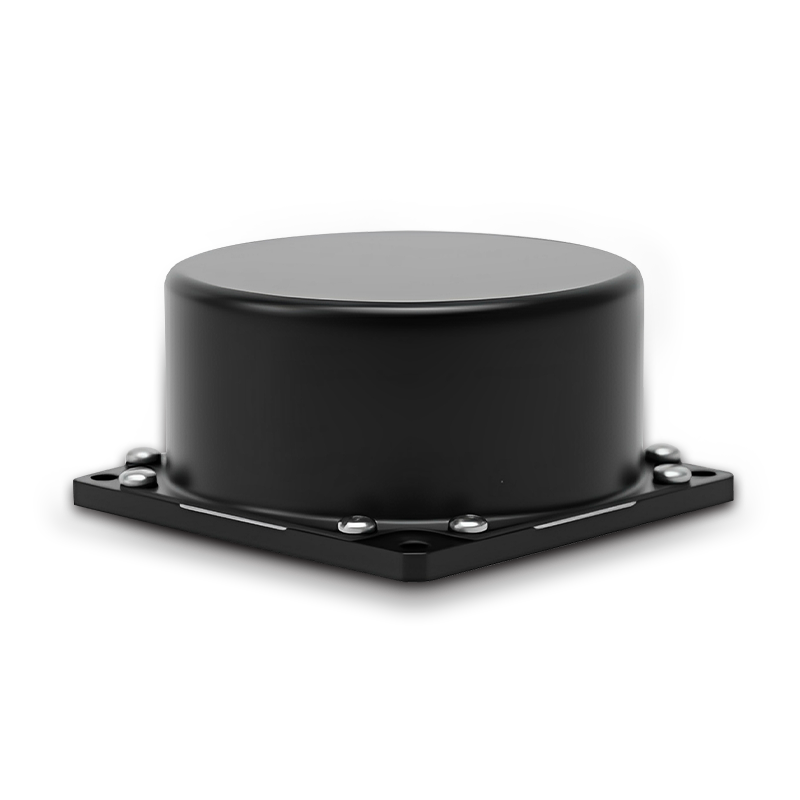 BSD60
BSD60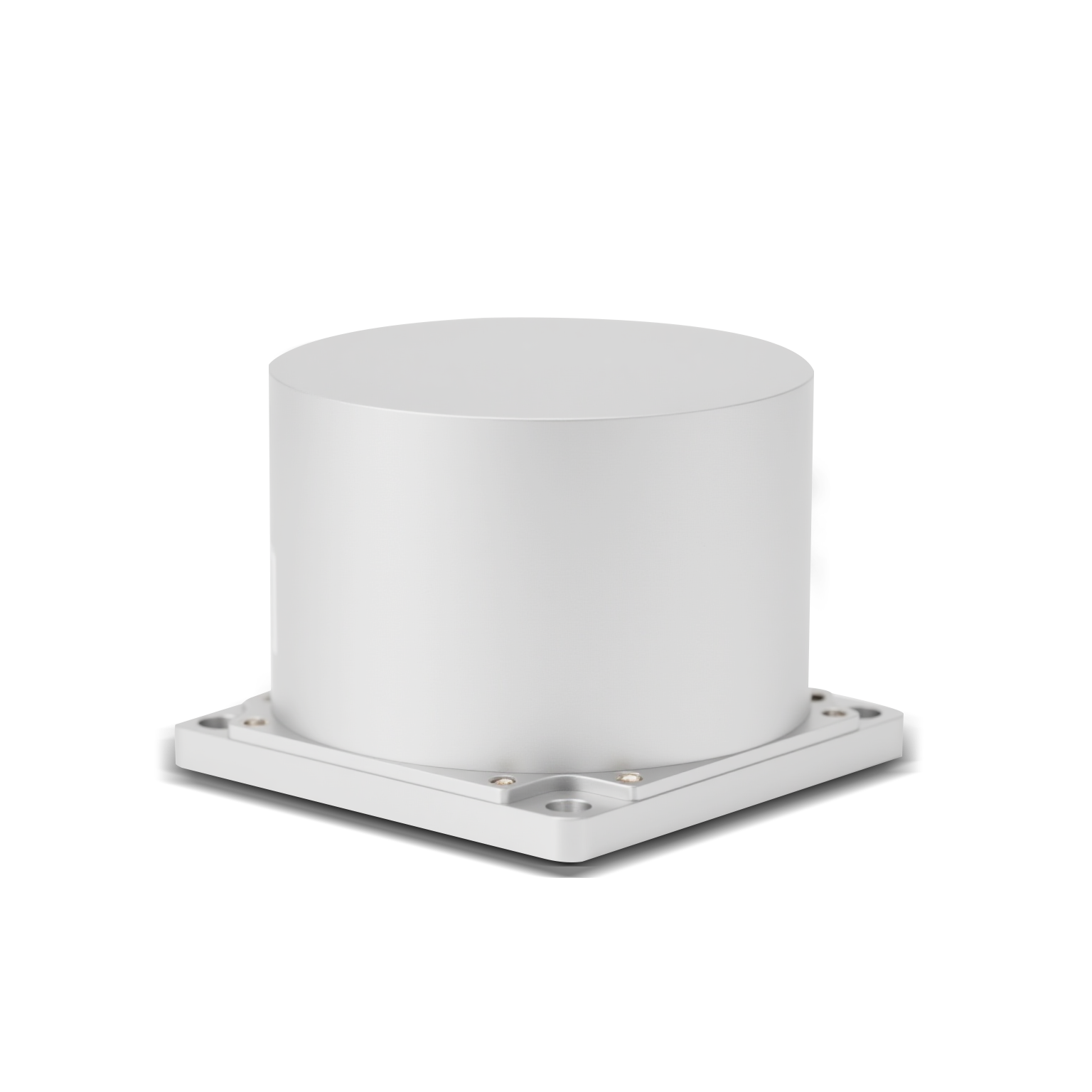 BSD50
BSD50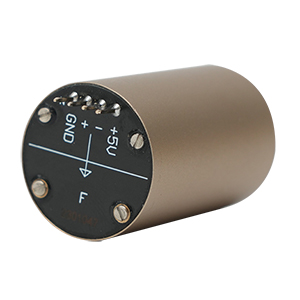 BSD217
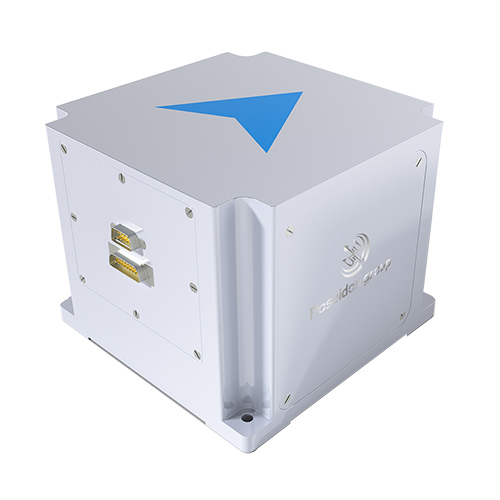 INS1700
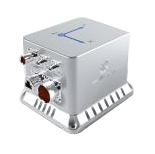 INS970
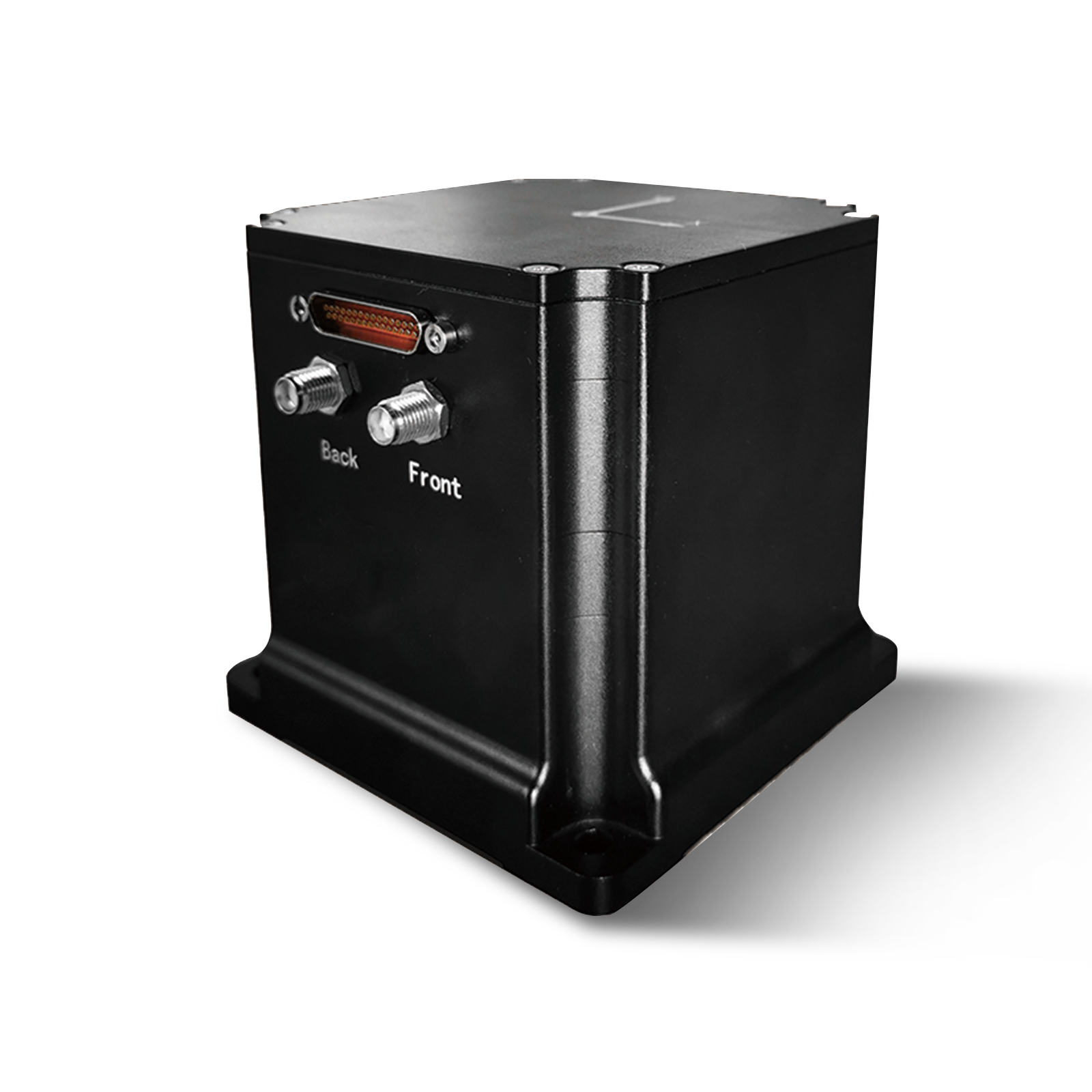 INS570
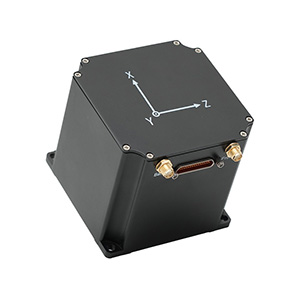 INS170
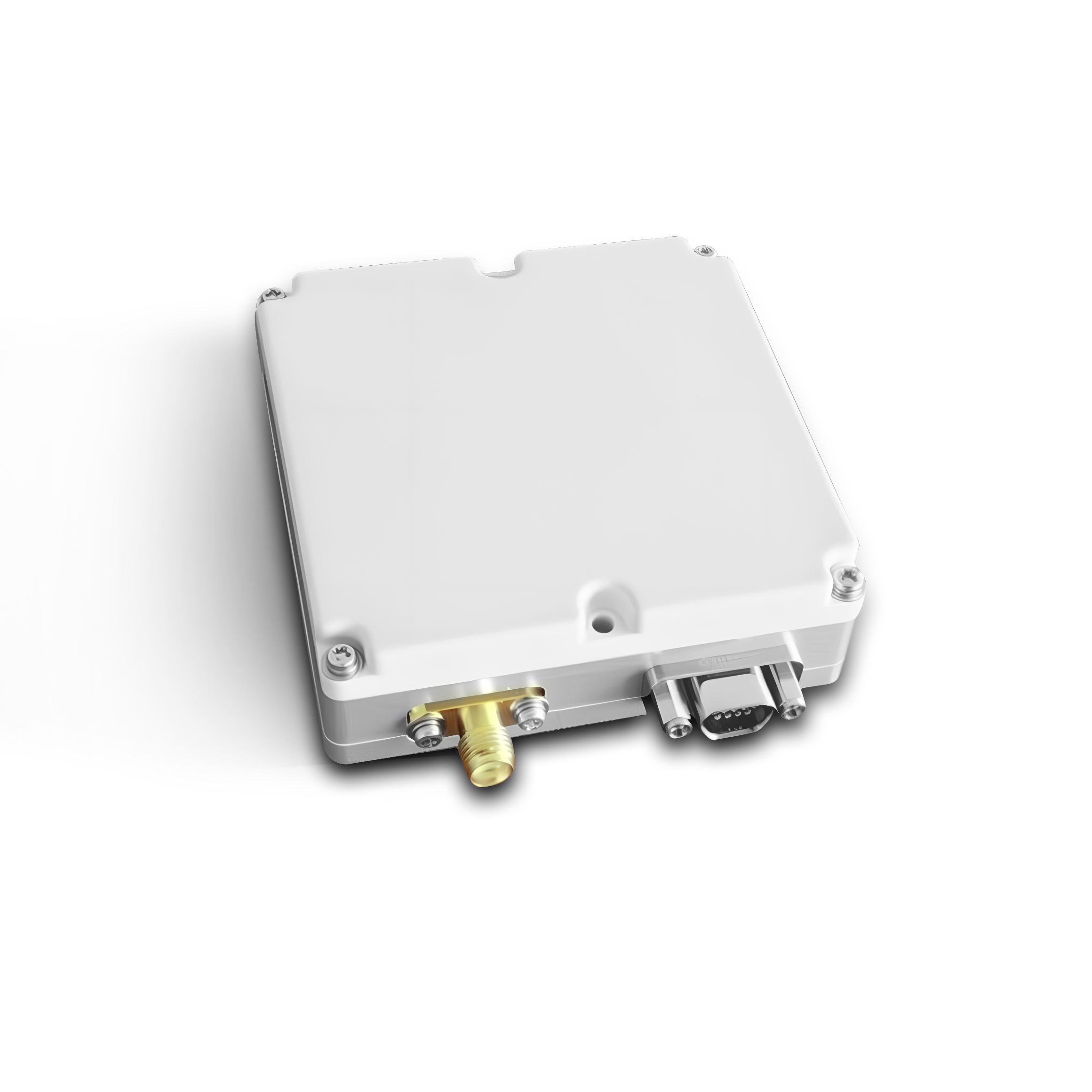 SLA-4B1L1-65
 SLA-4B1L1-130
 SLA-8B1L1-165
 DIVER 101
 DIVER 102
 DIVER 103
 DIVER 104
 DIVER 105
 DIVER 106
 SLLR3000
 SLLR905
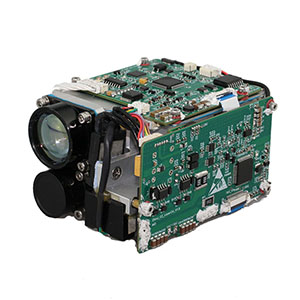 SLLD25
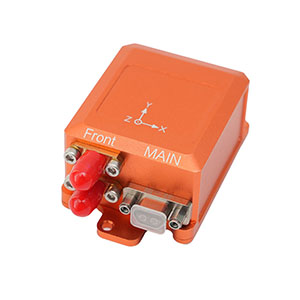 160M
160M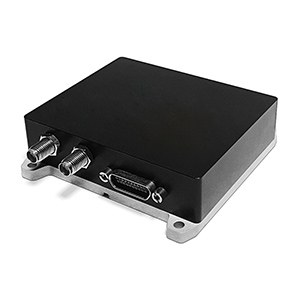 170M
170M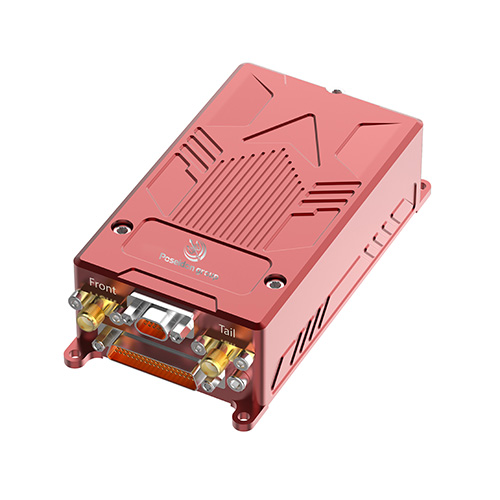 SLFC-70
 SLAF280
 MR360
MR360
Leave Your Message
You know, as more and more industries start craving super accurate navigation, IMU Inertial Measurement has really become a game-changer. Recent reports say that the global market for inertial measurement units (or IMUs) could hit around $19.4 billion by 2027 — pretty impressive, right? This surge is mainly because everyone from aerospace to cars and telecoms needs better, more reliable positioning. One company that’s really pushing the envelope here is Poseidon International Group, based in Hong Kong. They've been around since 2013 and are all about pretty much perfecting fiber optic gyroscopes (FOGs) and high-tech inertial navigation systems (INS). They’ve got a bunch of patents to their name and are deeply invested in improving how we navigate — whether it’s through smarter attitude and control systems or even autonomous driving tech. Long story short, IMU Inertial Measurement isn’t just some passing fad — it’s shaping the future of how we find our way around, and it’s here to stay.

You know, the arrival of Inertial Measurement Units — or IMUs — really marked a big shift in how we think about navigation tech. These little devices, packed with accelerometers, gyroscopes, and sometimes magnetometers, do a pretty amazing job at giving us detailed info about motion. They can tell us where something is, how it's oriented, and how fast it's moving, all in real-time. And get this: according to a recent report from MarketsandMarkets, the global market for IMUs was about $2.9 billion in 2022, but it's expected to jump past $5.1 billion by 2027 — that’s a CAGR of around 12.9%. Basically, people are increasingly counting on these precise navigation systems across industries like aerospace, cars, and robots.
As this tech keeps advancing, it’s totally changing the way we navigate on land and in the air. One of the coolest things about IMUs is that they work really well even when GPS signals are weak or non-existent — which is a game-changer for autonomous cars and drones. They can usually get you within a meter of your true position, which is pretty impressive for ultra-precise tasks.
A little tip if you're thinking about picking an IMU: pay attention to how it handles drift, how tough it is against tough environments, and how much calibration it needs. These little things can seriously impact how well your system performs. Also, don’t forget—keeping firmware updates and regular tuning in check can really help you get the most out of your IMU and keep things running smoothly no matter where you are or what you’re doing.
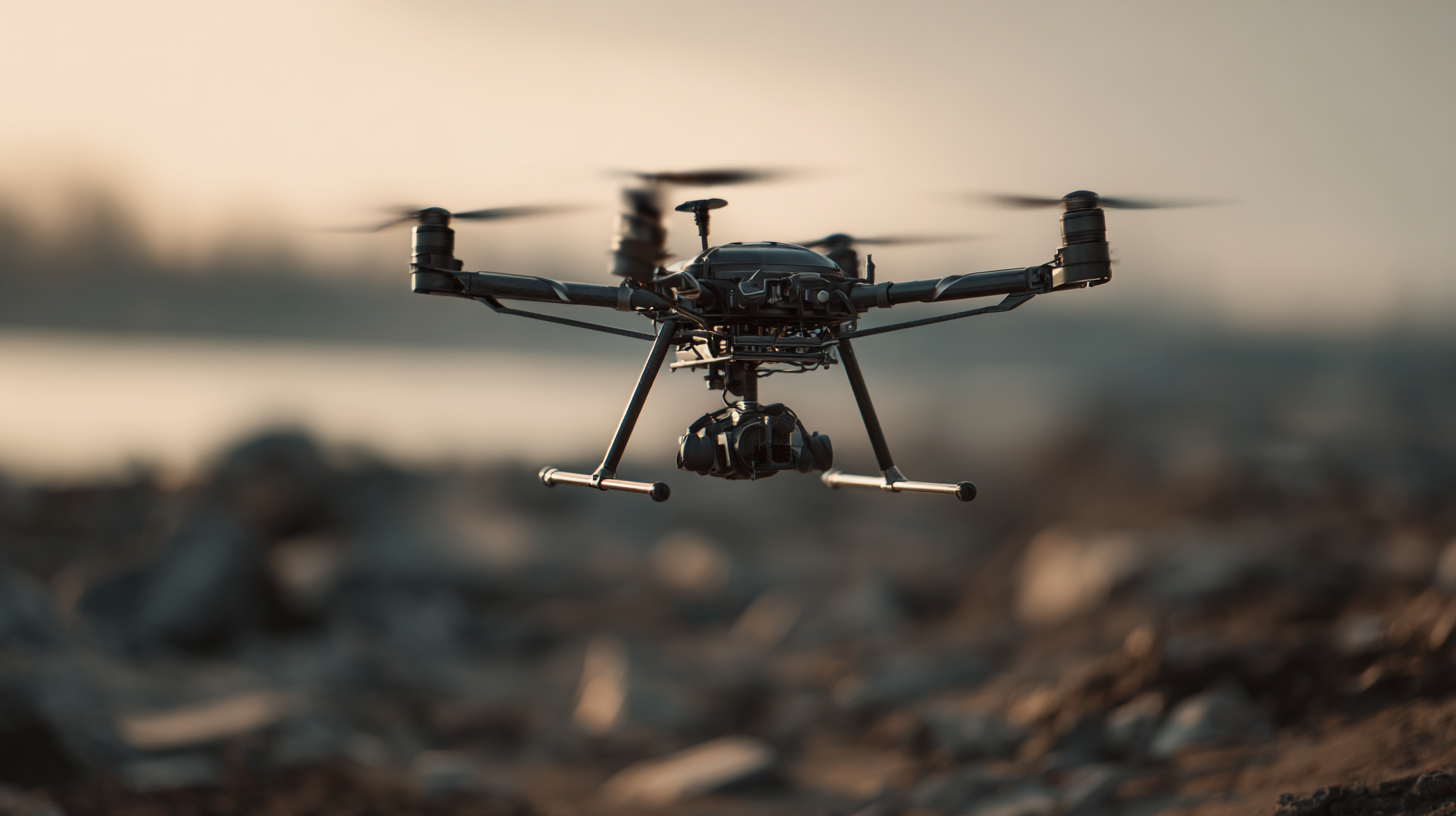
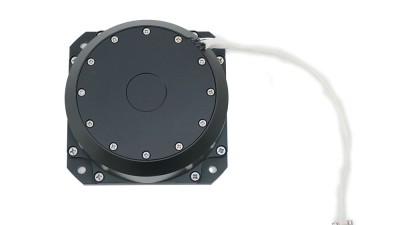
The future of Unmanned Aerial Vehicles (UAVs) is increasingly intertwined with advancements in navigation technology, particularly lightweight inertial navigation sensors like the Poseidon BSD98. This high-performance fiber optic gyroscope is revolutionizing the precision and versatility of UAVs, crucial for both commercial and military applications. With a remarkable zero-bias stability of 0.01°/h to 0.05°/h, complemented by a design that weighs less than 470 grams and measures only 98mm x 98mm x 35mm, the BSD98 is poised to enhance the navigational capabilities of UAV systems significantly.
Designed for rugged environments, the Poseidon BSD98 is built to withstand the challenges faced by UAVs, such as vibrations and shocks during operation. Its rapid startup capability and wide dynamic range ensure reliable performance in varied conditions, making it an ideal choice for high-precision inertial navigation systems. As UAV technology continues to evolve, integrating solutions like the BSD98 will enable improved vehicle-mounted positioning and advanced automation, paving the way for smarter, more autonomous aerial systems.
: IMUs are devices that measure acceleration and rotational motion, enhancing positioning accuracy and reliability in navigation systems, especially in environments where GPS signals are weak or unavailable.
IMUs enable devices to maintain accurate orientation and movement tracking in urban canyons, dense forests, or indoor settings, where traditional navigational methods often struggle.
Yes, IMUs can seamlessly integrate with other sensors, such as GPS, allowing for real-time adjustments in positioning information and reducing errors in navigation.
The IMU market is projected to grow significantly, as they are essential for providing accurate localization and navigation in complex terrains for autonomous vehicles, particularly in environments with unreliable GPS signals.
IMUs enhance flight stability and navigation accuracy for drones, contributing to the growth of drone logistics and delivery services, which is expected to reach significant market value in the coming years.
IMUs provide real-time data processing capabilities that allow autonomous systems, like drones, to adapt instantly to dynamic conditions, improving safety and operational efficiency.
The growth indicates an increasing demand for automation and advancements in sensor technology, highlighting the rising significance of IMUs in modern navigational and autonomous technologies.
IMUs are crucial for improving navigation accuracy and stability in drones, which are becoming increasingly vital for logistics and delivery services.
By providing more reliable and smoother navigation experiences, IMUs help users navigate efficiently even in environments that challenge traditional methods.
Yes, as technology continues to advance, IMUs are expected to evolve, further transforming how we navigate and interact with our environment.
You know, IMU Inertial Measurement tech is really changing the game when it comes to modern navigation. It offers super accurate and dependable data, which is a huge deal. As navigation systems have gotten more advanced, adding IMU setups has become pretty much essential—especially for real-time location tracking. I mean, think about self-driving cars or fancy drones—these rely heavily on it. What’s cool about IMUs is that they do a great job at fusing data, making navigation more precise and adaptable, even when things get crazy out there in the real world.
And honestly, the potential of IMU tech doesn’t stop at just current uses. It’s opening up new doors for stuff like autonomous driving and smarter systems everywhere. As Poseidon International Group from Hong Kong keeps pushing the envelope in inertial navigation and fiber optic gyroscopes, it’s pretty exciting to think about what’s coming next. The future of navigation looks bright—and IMU Inertial Measurement is definitely leading the charge.